Overview
Best Paradores in Andalucia: Moorish Fortresses, Patios & Views
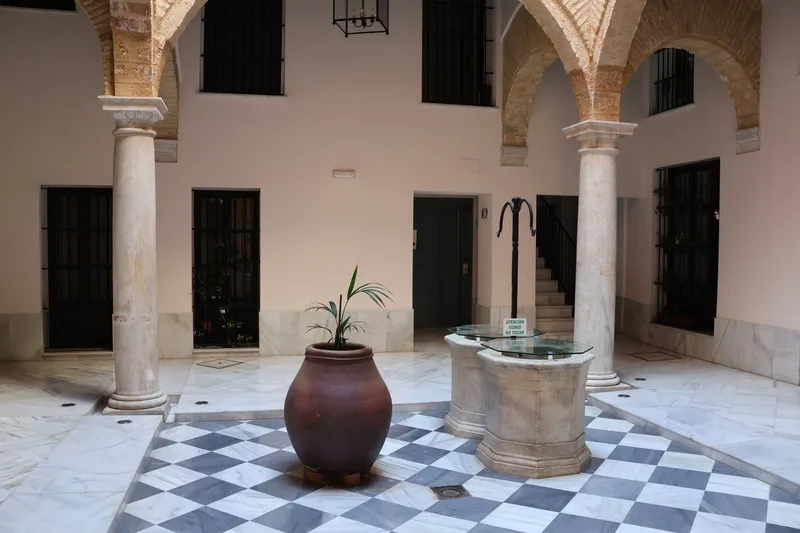
Andalucía holds the densest cluster of Moorish fortresses, patios and cliff-top Paradores in Spain.
This round-up compares the region’s standout historic hotels and the seasons that suit each one.
Contents
Andalucia is a land sculpted by eight centuries of Islamic rule, flamboyant Renaissance aristocracy, and dramatic topography spanning the snowcapped Sierra Nevada down to Atlantic dunes. While there is no shortage of southern Spain historic hotels, nothing rivals the state-owned Parador network when you want to sleep inside living history. Here, you sip chilled manzanilla beneath horseshoe arches, wake up to views of rugged limestone canyons, and dine in stone refectories where Christian kings celebrated the fall of Moorish kingdoms.
With 16 distinct properties across the eight southern provinces, choosing where to spend your nights requires strategy. Some are genuine 10th- to 14th-century fortresses perched on rocky outcrops; others are quiet mountain lodges or seaside modernist outposts. This curated guide breaks down the premier Moorish castle paradores, dramatic clifftop hideaways, and secluded inland retreats to help you craft an unforgettable Andalusian journey.
The Moorish Fortresses: Sleeping in Castles and Palaces
For most travelers, the quintessential Andalusian dream is sleeping within the fortifications of Al-Andalus. Three properties capture this heritage with unrivaled authenticity.
Parador de Carmona: The Fortress of King Don Pedro
Perched 30 kilometers east of Seville atop an immense cliff overlooking the fertile Vega del Corbones plain, the Parador de Carmona occupies the ruins of the 14th-century fortress built by King Pedro I atop an ancient Muslim alcázar. The entrance sets the tone: you cross a dry moat and pass through heavy iron-studded gates into a sun-drenched central courtyard adorned with Mudéjar brickwork, tranquil water fountains, and scented jasmine.
The restaurant—once the fortress refectory—features majestic stone arches soaring over high ceilings, where servers present traditional Sevillian dishes like espinacas con garbanzos (chickpeas with spinach) and partridge casserole. The outdoor swimming pool sits right at the edge of the fortress walls, offering an uninterrupted panorama across miles of sunflower and wheat fields. Standard rooms in 2026 average between €155 and €220 per night, with premium terrace suites commanding upwards of €290.
Parador de Jaén: Santa Catalina Castle
Visible from miles away, the Parador de Jaén atop Santa Catalina Castle crowns the rocky crest overlooking the world capital of olive oil. Originally an Arab stronghold fortified during the reigns of Ibn al-Ahmar and Fernando III, the hilltop fortress has been seamlessly married with modern Parador hospitality.
The main lounge features monumental 20-meter barrel-vaulted ceilings, heraldic tapestries, and cavernous fireplaces that crackle on cool autumn nights. Rooms open onto private stone balconies with dizzying vertical drops down to endless geometric grids of Jaén olive orchards. Rates in 2026 range from €140 to €210 per night. If you love sweeping landscapes and medieval defense towers, this is arguably the most imposing fortress stay in the entire network.
Parador de Granada: Inside the Alhambra Grounds
The crown jewel of the entire Parador network is the 15th-century convent founded by the Catholic Monarchs Isabel and Fernando directly inside the fortified walls of the Alhambra. As detailed in our comprehensive Parador de Granada guide, this was the temporary burial place of the monarchs before their tombs were moved to Granada Cathedral.
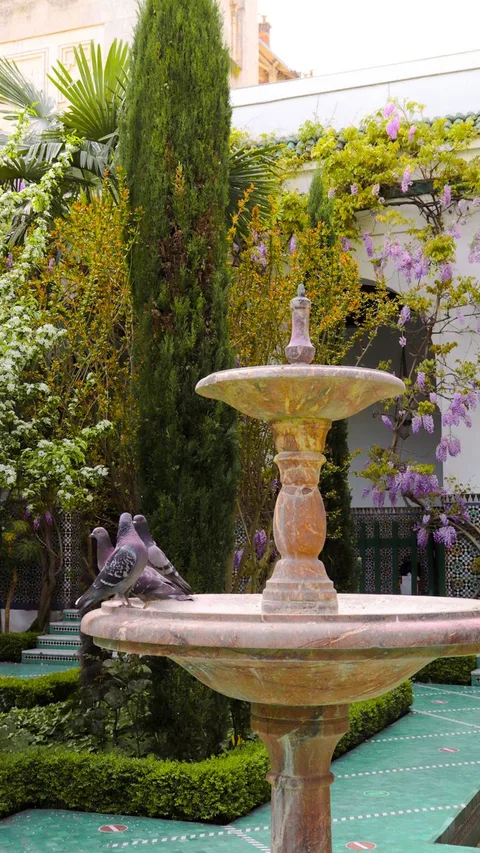
What sets Granada apart is not just the intimate Nasrid plasterwork, the tranquil cloisters, or the lush garden overlooking the Generalife: it is the exclusive privilege of walking the Alhambra grounds at dusk and dawn when day-trippers have left. Due to its diminutive size (just 44 rooms), standard double rooms in 2026 book out up to nine months in advance, with rates averaging €380 to €520 per night.
Dramatic Clifftops and Patios: The White Town Icons
Beyond defensive fortresses, Andalusia is famous for its dizzying pueblos blancos (white villages) balanced on knife-edge precipices.
Parador de Ronda: Suspended Over the Tajo Gorge
Occupying the 18th-century Casa Consistorial (former Town Hall), the clifftop Parador de Ronda occupies one of the most photographed positions in Europe. The hotel sits squarely at the lip of the 120-meter-deep El Tajo gorge, directly adjacent to the iconic Puente Nuevo bridge.
Patios filled with terracotta planters, potted geraniums, and shaded colonnades lead to private balconies hovering over the chasm where swallows dive through morning mist. Standard rooms with gorge views run between €210 and €310 in 2026. Be sure to request a room facing the canyon rather than the public town square for complete peace and incomparable sunset colors across the Serranía de Ronda.
Parador de Arcos de la Frontera: Heart of the White Villages
At the western gateway to the Sierra de Grazalema, Arcos de la Frontera crowns a sheer sandstone ridge. The Parador sits in the Plaza del Cabildo in the former 18th-century magistrate mansion (Casa del Corregidor). Its whitewashed interior patio showcases ornate ceramic tiles, arched loggias, and iron lanterns. From the outdoor dining terrace, you peer down over the looping Guadalete river hundreds of meters below. Rates here are remarkably reasonable, frequently hovering between €115 and €165 per night, making it the ideal base for touring the Cadiz wine and equestrian routes.
Renaissance Palaces and Wilderness Lodges
While Moorish heritage dominates the southern imagination, northern and eastern Andalusia hold unexpected architectural and ecological wonders.
Parador de Úbeda: 16th-Century Ducal Grandeur
In the UNESCO World Heritage town of Úbeda, the Parador de Úbeda occupies the 16th-century palace of Deán Ortega, chaplain to Emperor Charles V. Designed by master architect Andrés de Vandelvira, the building centers around a double-tiered Renaissance courtyard with slender classical columns and a peaceful stone well. Step outside the front portal, and you are immediately on the Plaza Vázquez de Molina, surrounded by the finest concentration of Italianate civic and religious palaces in the Iberian Peninsula. Rates here run €120 to €175 per night.
Parador de Cazorla: Deep in the Pine-Clad Sierras
Far from tour bus crowds, the Parador de Cazorla (officially Parador El Adelantado) sits isolated in the heart of the Sierras de Cazorla, Segura y Las Villas Natural Park—Spain’s largest protected wilderness. Built in the regional mountain lodge style, it features wood-beamed ceilings, hunting-lodge lounges, and a panoramic pool facing pine forests where wild boar and Iberian red deer frequently wander near the property line.
It is the quintessential base for hiking the Borosa River gorge or kayaking emerald reservoir waters. Rooms average €105 to €150 per night in 2026, offering incredible value for outdoor enthusiasts seeking mountain solitude after bustling southern cities.
Coastal Gems: Atlantic Dunes to Mediterranean Bays
If you crave sea breezes alongside your history, southern Spain delivers three distinct coastal experiences:
- Parador de Mazagón (Huelva): Nestled inside the Doñana coastal pine reserve, this sprawling resort hotel features direct private path access down golden cliffs to untouched Atlantic beaches. Perfect for birdwatchers and families (€140–€210).
- Parador de Málaga Gibralfaro: Built of rough-hewn stone high on Mount Gibralfaro right next to the 14th-century Moorish fortress, it looks down across the port, the bullring, and the glittering Mediterranean Bay (€190–€280).
- Parador de Cádiz: A departure from ancient stone, the Hotel Atlántico is an avant-garde masterpiece of glass, wood, and steel situated at the tip of Cadiz peninsula, offering sweeping ocean views from every single room and an infinity pool overlooking Santa Catalina bay (€170–€260).
Complete Paradores Andalucia List and Quick Comparison
Here is how the top historical and scenic properties stack up across key categories for 2026 travel planning:
| Parador Property | Style & Setting | Key Highlights | Avg. Nightly Rate (2026) | Best For |
|---|---|---|---|---|
| Carmona | 14th-century Moorish alcázar fortress | Infinity views over the plain, Mudéjar courtyard | €155 – €220 | Castle lovers & day trips to Seville |
| Jaén | 13th-century hilltop castle | Monolithic barrel vaults, sea of olive trees | €140 – €210 | Dramatic fortress architecture & sunsets |
| Granada | 15th-century convent inside Alhambra | Exclusive Alhambra after-hours access | €380 – €520 | Once-in-a-lifetime historic immersion |
| Ronda | Historic town hall above gorge | Balconies directly over El Tajo chasm | €210 – €310 | Romantic canyon views & photography |
| Arcos de la Frontera | 18th-century magistrate manor | Perched cliff terrace, typical white village | €115 – €165 | Pueblos Blancos road trippers |
| Úbeda | 16th-century Renaissance palace | Double-tiered classical patio, plaza setting | €120 – €175 | Art, architecture & quiet cultural walking |
| Cazorla | Rustic pine wilderness lodge | Surrounded by deer, hiking trailheads | €105 – €150 | Hikers, nature lovers & dark skies |
| Málaga Gibralfaro | Stone lodge beside Moorish citadel | Panoramic bay views, pine fragrance | €190 – €280 | Combining city dining with hilltop calm |
| Cádiz | Contemporary sea-facing hotel | Infinity pools, walking distance to old town | €170 – €260 | Ocean sunsets & fresh Atlantic seafood |
Local Insider Tips for Booking Andalusian Paradores
To get the most value and authentic experience from these properties, keep these local practicalities in mind:
- Book Granada and Ronda Far in Advance: Parador de Granada books out 6 to 9 months ahead for spring (April–June) and autumn (September–October). Ronda requires 2 to 4 months for prime weekend gorge-view rooms. Properties like Carmona, Jaén, and Úbeda usually have availability closer to travel dates.
- Sign Up for Amigos de Paradores: Joining the loyalty program is completely free and grants you a welcome drink voucher upon check-in, free parking at select properties, and breakfast discounts.
- Navigating Old Town Centers: Both Arcos de la Frontera and Carmona have medieval gateways with extremely narrow cobblestone access. If you are driving an SUV, check vehicle dimensions before ascending the fortress ramparts; many travelers prefer dropping luggage first or using the dedicated Parador parking signs at lower town gates.
- Embrace Half-Board Dining: Andalusian Parador dining rooms excel at reviving heritage recipes. Read our guide to regional dining at Paradores to understand how set menus (Menú del Parador) often provide superior quality and value compared to standard tourist restaurants nearby.
- Avoid Midsummer Lowland Heat: Carmona, Jaén, and Córdoba routinely experience temperatures exceeding 42°C (108°F) in July and August. If traveling during midsummer, shift your itinerary toward the mountain climate of Cazorla or coastal Cádiz and Mazagón.
Частые вопросы
Which is the most historic Parador in Andalucia?
Parador de Granada is the most historically significant, located directly inside the Alhambra complex in the 15th-century convent of San Francisco where Queen Isabella and King Ferdinand were initially entombed. For pure medieval castle atmosphere, Parador de Carmona and Parador de Jaén feature original 13th- and 14th-century fortress structures.
How far in advance should I book Parador de Granada?
Because it has only 44 rooms and occupies a spot inside the Alhambra, you should reserve 6 to 9 months ahead for peak seasons (April–June and September–October). In winter, 2 to 3 months is often sufficient.
Do I need a car to visit Andalusian Paradores?
While Parador de Granada, Ronda, and Cádiz can be reached via train and taxi, a rental car is strongly recommended for castle properties like Carmona, Jaén, and natural retreats like Cazorla, which have limited direct public transit.
What is the best time of year to take an Andalusian Parador route?
The ideal months are April to May and late September to early November. Days are warm and sunny (22°C–28°C / 72°F–82°F), gardens and patios are in full bloom, and you avoid the intense 40°C+ summer heatwaves typical of Seville and Jaén.