Styles & Stays
Castles, Palaces or Monasteries: Which Parador Style Suits You Best?
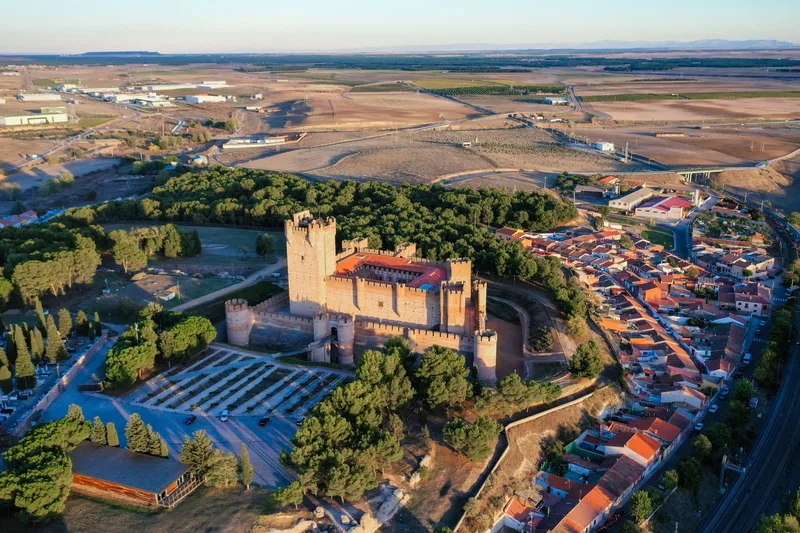
Castles, palaces, monasteries and fortresses each deliver a very different kind of Parador night.
Compare comfort, atmosphere and logistics to choose the building that suits you best.
Contents
When travelers start planning their first trip through Spain’s state-run hotel network, they often imagine sleeping in a soaring medieval fortress overlooking endless plains. Yet the network of nearly 100 properties spans wildly distinct architectural personalities. Choosing between a cliff-top citadel, a contemplative Renaissance monastery, and an ornate aristocratic palace will define your daily experience, from how quiet your nights are to whether you will be navigating spiral stone staircases or gliding down polished marble corridors.
Understanding the core types of paradores helps eliminate the common surprises that catch first-timers off guard. While all Paradores deliver regional culinary pride and high hospitality standards, their historical footprints dictate everything from room layouts and natural light to parking ease and acoustic privacy. Here is how Spain’s iconic historical hotel styles compare, what it feels like to stay in each, and how to find the exact atmosphere that fits your travel style.
The Big Three: Castles, Monasteries, and Palaces
Spain’s historical heritage is layered across Roman outposts, Moorish fortifications, Christian reconquest keeps, wealthy monastic orders, and Golden Age nobility. Paradores transformed these spaces into luxury lodgings starting in 1928, grouping their historic properties into three dominant archetypes:
- Castles and Fortresses: High stone walls, crenellated battlements, watchtowers, and commanding hilltops designed for military dominance and defense.
- Monasteries and Convents: Arcaded cloisters, vaulted stone hallways, tranquil interior courtyards, fountain courtyards, and former monk or nun cells re-engineered as guest rooms.
- Palaces and Stately Manors (Palacios and Pazos): Aristocratic residences, timber-beamed ceilings, grand staircases, elegant salons, and prime positions inside historic city centers.
A fourth category exists—modern purpose-built properties (such as Parador de Toledo or Parador de Segovia)—which trade ancient stones for massive picture windows and panoramic views of historic skylines. But if you are coming to Spain for heritage immersion, your dilemma almost certainly lies among castles, convents, and palaces.
Castle Paradores: Towering Drama, Stone Walls, and Hilltop Winds
Staying in castle paradores spain is the realization of a childhood fantasy. Properties like the 9th-century fortress of Cardona in Catalonia, the defensive border fortress of Baiona in Galicia, or the impregnable clifftop keep of Parador de Jaén offer pure theatricality. You approach these properties via winding access roads, cross historic drawbridges or vaulted gates, and look down on entire valleys from ramparts where sentries once stood watch.

The Atmosphere
Dramatic and commanding. Life inside medieval fortress hotels spain feels isolated from the modern world below. In the evening, the wind howls through stone arrow slits, wrought-iron torch-style sconces illuminate dim masonry corridors, and dining rooms occupy soaring barrel-vaulted halls where coats of arms hang from ancient masonry.
What Travelers Love
- Unmatched panoramic views: Built on the highest defensive ground, castles provide breathtaking 360-degree sunrises and sunsets.
- Deep historical authenticity: Walking along surviving curtain walls and exploring Romanesque or Gothic crypts right on the property.
- Romantic escapism: Sturdy stone fireplaces, canopy beds in premier rooms, and an unmistakable sense of seclusion.
The Reality Checks and Quirks
Fortresses were designed to keep attackers out, not to facilitate effortless vacationing. This brings specific practical trade-offs:
- Navigational hurdles: Expect cobblestone pathways, long stone ramps, and occasional uneven steps even when elevators are installed.
- Room dimensions and lighting: Original medieval rooms often have thick walls (sometimes 2 to 3 meters deep) and narrow slit windows. If you book an entry-level standard room, natural light may be limited.
- Distance from town life: Because fortress castles sit atop hills, walking into the historic town center for a late-night vermouth usually requires a steep downhill trek—and an uphill hike or taxi ride back.
Monasteries and Convents: Cloistered Silence and Architectural Zen
If castles evoke warfare and conquest, former religious houses represent serenity, balance, and acoustic calm. The network features some of the most celebrated convent hotels spain has to offer, ranging from 12th-century Benedictine abbeys like Santo Estevo in the Ribeira Sacra canyons to cliff-hanging gems like Parador de Cuenca, perched dramatically across the gorge from the famous Hanging Houses.
The Atmosphere
Monastic Paradores center around the cloister (claustro)—a sheltered, square arcaded courtyard featuring a central stone fountain, boxwood hedges, or a modern glass atrium. Hallways are wide, monumental, and vaulted. The ambiance is contemplative, civilized, and remarkably peaceful. Even when fully booked, convent Paradores rarely feel crowded because their original layouts were engineered for quiet meditation.
What Travelers Love
- Atmospheric courtyards: Having your morning café con leche or pre-dinner glass of Ribera del Duero beside a bubbling fountain in a 16th-century cloister is one of Spain’s supreme travel pleasures.
- Acoustic tranquility: Monastic grounds insulate guests from street traffic, making them ideal for light sleepers and travelers seeking rest.
- Artistic and architectural detail: Carved capitals, frescoed choir stalls, vaulted refectories converted into breakfast rooms, and private convent chapels.
The Reality Checks and Quirks
- Labyrinthine corridors: Monasteries were sprawling complexes. Walking from your room to the reception desk or breakfast buffet can feel like an expedition through endless cloister corridors.
- Former monastic cells: While suites and superior rooms in monastic properties are magnificent, lower-tier rooms can feel somewhat austere or compact, preserving the footprint of monastic quarters. Check our guide on booking an authentic historic wing vs. modern annex room to avoid ending up in a newer contemporary wing when you wanted ancient stone arches.
- Echoing acoustics: High stone vaults carry voices easily; while peaceful at night, daytime hallways can amplify footsteps and luggage wheels.
Aristocratic Palaces: Urban Elegance and Walkable Culture
To understand the key palacio parador differences, look at geography and social function. Unlike fortified border outposts or isolated rural abbeys, palaces were built by wealthy dukes, counts, and merchant dynasties who wanted to see and be seen. Properties like the Renaissance Parador de Úbeda (Palacio del Deán Ortega), the monumental Parador de Lerma, or northern Galician pazos (such as Parador de Cambados) place you directly into aristocratic grandeur.
The Atmosphere
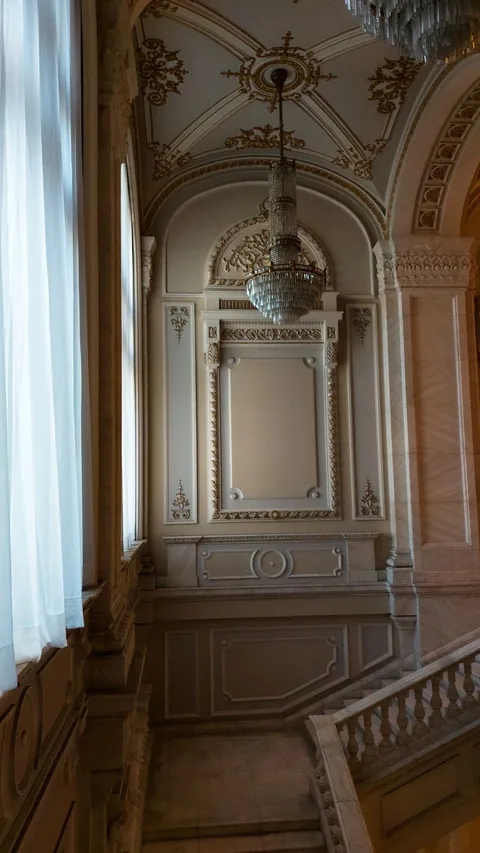
Refined, comfortable, and civic. Palaces boast intricately carved wooden ceilings (artesonados), grand stone staircases designed for flowing silk gowns, polished hardwood floors, antique furnishings, and bright inner courtyards. Rather than looking down on a town from a distant peak, you step out the heavy wooden front doors straight onto cobbled plazas, surrounded by tapas bars, cathedrals, and lively local life.
What Travelers Love
- Walkable convenience: You can stroll out for an evening paseo, explore local plazas on foot, and return without needing a taxi or navigating mountain hairpin turns.
- Generous natural light: Palaces were built for comfortable living, featuring tall French doors, Juliet balconies, and spacious reception salons.
- Plush comfort: Palaces tend to have fewer awkward structural limitations than military castles, meaning larger bathrooms, elevator access across floors, and warmer interior wood accents.
The Reality Checks and Quirks
- Town noise: Being in the town center means ringing church bells, sanitation trucks on morning cobblestones, and patrons chatting on outdoor terraces below your window.
- Parking complexities: Driving through narrow pedestrian zones inside historic walled towns to reach a palace courtyard can test any driver’s patience.
- Smaller outdoor grounds: While rural castles and convents enjoy extensive gardens and surrounding hills, city palaces often have compact courtyards rather than rolling estates.
Head-to-Head Comparison: Comfort, Accessibility, and Ambiance
Choosing between these architectural styles depends on your practical priorities. Here is how castles, monasteries, and palaces measure up across essential travel criteria:
| Feature | Castle / Fortress | Monastery / Convent | Palace / Manor (Pazo) |
|---|---|---|---|
| Typical Location | Hilltops, rocky promontories, countryside borders | Valley floors, clifftops, edge of historic quarters | Historic town centers, cathedral plazas, wine estates |
| Atmosphere | Rugged, dramatic, solitary, medieval | Meditative, cloistered, acoustic calm, serene | Stately, aristocratic, social, culturally vibrant |
| Room Light & Windows | Narrow arrow slits or small windows in authentic keeps | Medium windows facing cloisters or monastery gardens | Tall windows, French balconies, sunny interior courtyards |
| Accessibility | Challenging (steps, steep ramps, rugged cobblestones) | Good to Fair (long level corridors, modern lifts) | Very Good (elevator access, flat exterior street access) |
| Walkability to Town | Low (frequently requires car or taxi up steep hills) | Moderate (often a pleasant 5 to 15 minute walk) | High (immediate doorstep access to cafes and sights) |
| Dining Space Vibe | Grand vaulted arms halls, baronial masonry | Former refectory halls, quiet cloister galleries | Renaissance courtyards, gilded salon dining rooms |
| Average 2026 Price Tier | €160 – €240 standard double | €150 – €290 standard double | €140 – €220 standard double |
Which Style Suits Your Travel Personality?
To help you narrow down your itinerary, match your personal travel profile with the style that best supports your daily rhythms:
Pick a Castle Parador If You:
- Crave panoramic vista photographs and watching sunsets over vast plains from ancient stone battlements.
- Love medieval military history, suits of armor, and thick stone ramparts.
- Are taking a self-drive road trip through Spain and do not mind arriving at a destination that functions as a self-contained island away from town nightlife.
- Do not have serious mobility limitations that make stone ramps or uneven steps difficult.
Pick a Monastery Parador If You:
- Value restorative quiet, love sitting with a book in a sunlit cloister, and prioritize deep, uninterrupted sleep.
- Appreciate Gothic, Romanesque, and Baroque religious architecture, carved stone archways, and centuries of contemplative heritage.
- Enjoy lingering over breakfast in vaulted stone refectories without street noise.
- Prefer properties with spacious grounds, interior gardens, or river canyon settings.
Pick a Palace Parador If You:
- Want to step directly out of your hotel into bustling tapas bars, local markets, and town squares.
- Prefer bright rooms with tall ceilings, wooden floors, and expansive windows.
- Dislike relying on taxis or steep hikes after an evening glass of wine.
- Appreciate Renaissance and Baroque decorative arts, antique tapestries, and aristocratic flair.
Insider Booking Strategies for Historic Paradores
Before you finalize your reservations, keep these practical rules in mind to make sure your expectations align with reality:
- Sign up for loyalty benefits first: Before making any booking, join the free Amigos de Paradores loyalty program. You will receive a welcome drink voucher upon arrival, free parking at select properties, and private seasonal promotions that knock 15% to 20% off standard room rates.
- Read the room category labels carefully: In both castle and convent properties, the entry-tier "Standard Room" might sit inside a modern extension built in the 1970s or 2000s to expand hotel capacity. If sleeping under timber rafters or next to exposed 14th-century stonework matters to you, book a "Superior Historic" or "Unique Room" (Habitación Única).
- Combine styles on a single route: You never have to limit yourself to just one architectural type. The most memorable Spanish road trips mix one castle, one monastery, and one city palace over a 7- to 10-day loop. This provides architectural contrast, alternating between dramatic isolated heights, reflective monastic valleys, and lively town squares.
Частые вопросы
Are castle Paradores cold or drafty in autumn and winter?
Historical castle Paradores feature modern central heating, climate control, and secondary interior glazing on windows. While thick stone walls retain ambient chill during sudden cold snaps, rooms remain comfortably heated, often supplemented by working fireplaces in public lounges.
Which Parador style is most accessible for travelers with limited mobility?
Palaces and modern scenic Paradores offer the best accessibility. They generally feature flat street-level entrances, wide elevator shafts, and fewer uneven exterior stone surfaces than rugged hilltop fortress castles.
Do monastery Paradores hold active religious services?
Most monastery Paradores occupy deconsecrated buildings where chapels serve as concert venues, wedding halls, or quiet reading lounges. However, some properties sit adjacent to functioning town parish churches or cathedrals where bells ring and public mass is held.
Can non-guests enter Parador castles or palaces just to look around?
Yes. Parador cafeterias, courtyards, and restaurants are open to the public. You can walk through common historic areas, cloisters, and battlements during daytime hours by purchasing a coffee, drink, or meal on-site.