Paradores
Parador de Cardona: 9th-Century Castle and Romanesque Crypt in Catalonia
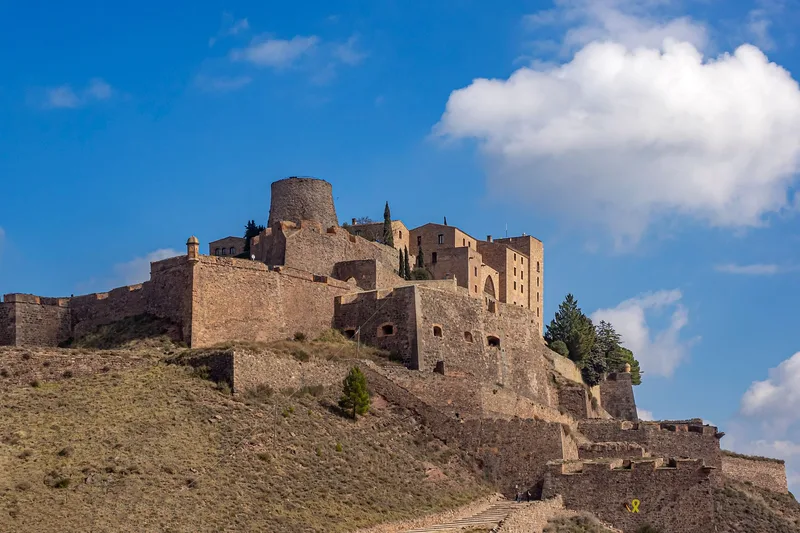
Cardona’s ninth-century castle became a Parador while keeping its Romanesque crypt and towers.
We look at the legend of room 712, the historic wing and whether it works as a day trip from Barcelona.
Cardona Castle & Surrounding Historic Sites
Key sights, fortress gates, and viewpoints at Parador de Cardona (WGS84 verified)
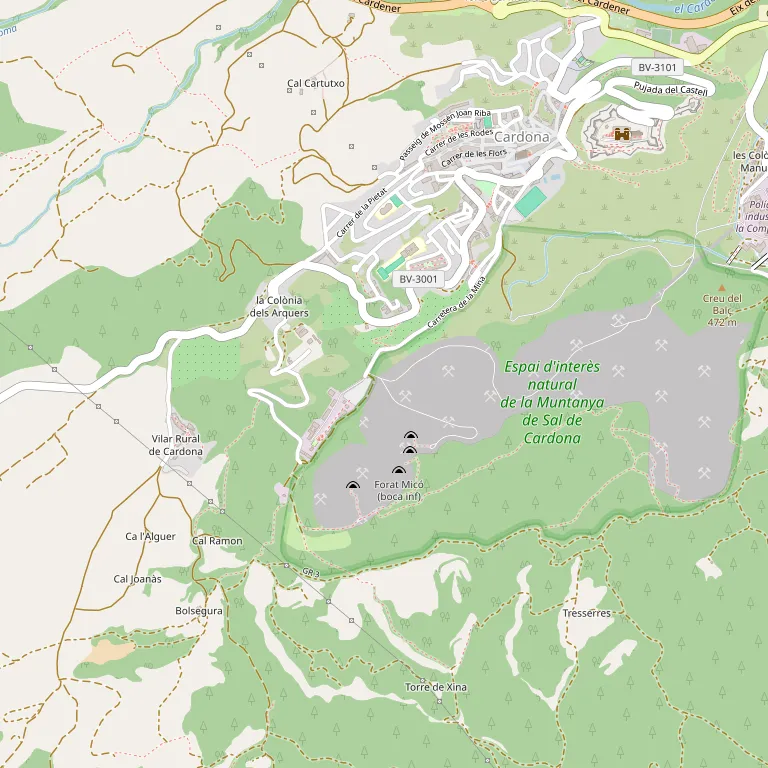
Parador de Cardona
Castle & Parador
9th-century fortress hotel perched 150m above the Cardener valley with medieval refectory, rampart lounges, and 53 historic chambers.
- Category
- 4-Star Parador
- Check-in
- 15:00
- Parking
- Free on fortress plateau
Ничего не найдено — выберите другую категорию.
Картографические данные: © OpenStreetMap contributors
Contents
Perched high above the Cardener river valley, the fortress of Cardona stands like a sentinel carved out of bare sandstone. Long before high-speed trains sliced across Catalonia, this monolithic citadel defended the salt wealth that made its dukes richer than kings. Today, as the castillo de cardona parador, it offers travelers an encounter with living medieval history that few accommodations in Europe can match. You do not simply stay here; you inhabit a garrison that repelled French sieges, withstood the War of the Spanish Succession, and sheltered the counts of Cardona for nearly a millennium.
Yet behind its defensive ramparts and Lombard Romanesque stone arches lies an atmosphere that borders on the mythical. From the Romanesque crypt below the collegiate church to the locked door of room 712—Catalonia’s most infamous paranormal enigma—visiting Cardona requires equal parts historical curiosity and logistical preparation.
The Fortress That Never Surrendered: Why Cardona Is Different
Most castle hotels across Europe have been heavily restored with 19th-century romantic flourishes or sanitized into generic luxury properties. The Parador de Cardona is a stark exception. First commissioned around 886 AD by Wilfred the Hairy (Guifré el Pilós) during the re-conquest of central Catalonia, the complex served as an impenetrable base of power. The Lords of Cardona were known as the Reis sense corona (Kings without a crown) because their absolute monopoly over the nearby rock-salt mountain generated wealth rivaling the Crown of Aragon.
Because of its strategic elevation and thick curtain walls, the castle was practically impregnable. Famously, during the War of the Spanish Succession, Cardona was the last Catalan stronghold to surrender to the Bourbon forces of Philip V, capitulating on September 18, 1714, a full week after the fall of Barcelona—and only upon direct orders from the Catalan government to avoid total slaughter.
When Spain’s state-owned hotel network converted the military garrison into a luxury retreat in 1976, they preserved the cavernous stone-vaulted ceilings, narrow slit windows, heavy iron candelabras, and defensive corridors. Unlike properties with newly constructed modern annexes, every room here is tucked within historic stone, though room layout and architectural character vary widely—a reality we explore in our guide to historic wings versus modern annexes across the network.
Romanesque Masterpiece: The 9th-Century Castle and Sant Vicenç Crypt
The crown jewel of the fortress is not a hotel hall, but an architectural monument of international importance: the Col·legiata de Sant Vicenç. Consecrated between 1029 and 1040 under the patronage of Viscount Bremon and his brother Bishop Eribau, the church is widely regarded by architectural historians as one of the purest and grandest examples of First Romanesque (Lombard) style in the Mediterranean.
Stepping inside Sant Vicenç is a physical experience. The central nave soars over 19 meters high beneath a massive barrel vault supported by sturdy ashlar pillars. There are no frescoes or ornate golden altars; the aesthetic power comes entirely from geometric proportion, natural golden stone, and the dramatic interplay of light entering through high arched windows.
The Subterranean Crypt
Directly beneath the presbytery lies the three-aisled crypt. Supported by slender columns topped with rough-hewn trapezoidal capitals, this subterranean sanctuary remains cool even in the heat of a Catalan July. Historically, it held the relics of Saint Vincent and provided a private, protected place of prayer for the ruling family during sieges. Walking down into the crypt early in the morning before daytime sightseers arrive is one of the quietest privileges of staying overnight at the fortress.
Torre de la Minyona (The Maiden's Tower)
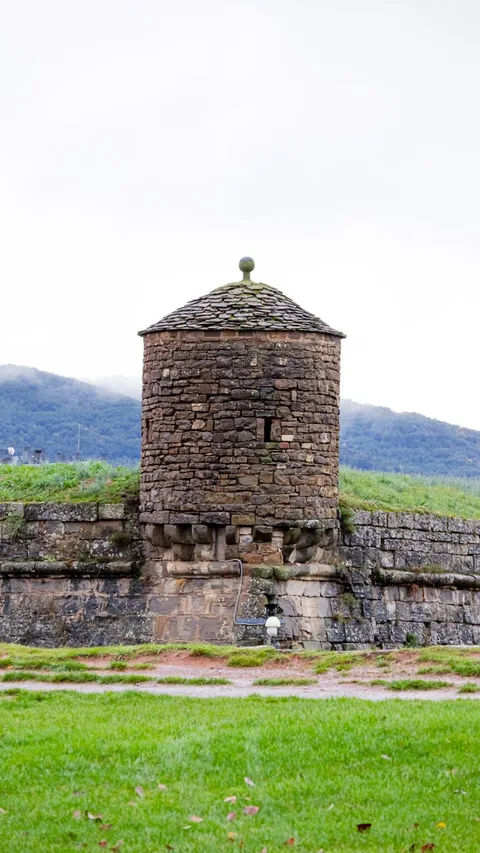
Adjacent to the central courtyard stands the circular Torre de la Minyona, an 11th-century watchtower measuring more than 10 meters in diameter. Originally rising over 25 meters, it was lowered to approximately 13 meters during 18th-century artillery fortifications to prevent it from becoming an easy target for enemy cannon fire. Despite the reduction, ascending its spiral staircase rewards you with an uninterrupted 360-degree panoramic view sweeping across the Cardener basin, the snow-capped Pyrenean foothills to the north, and the blinding white salt diapir to the south.
The Mystery of Room 712: History, Folklore, and Guest Experiences
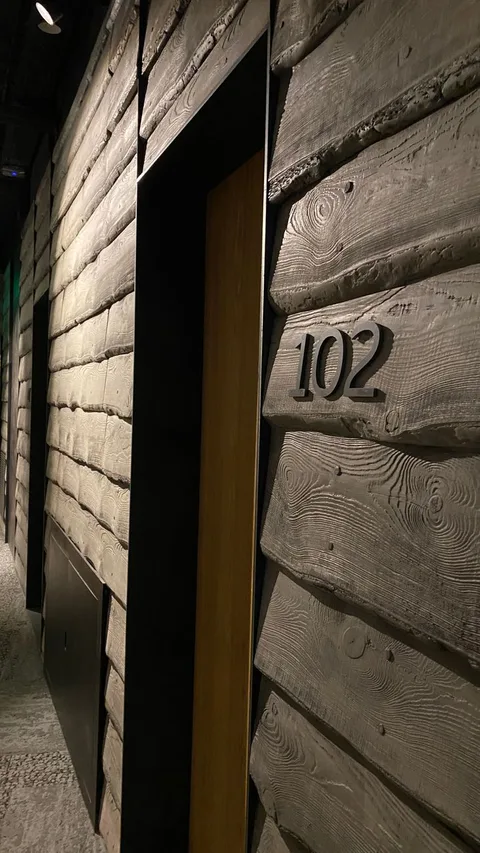
No discussion of this catalonia castle hotel is complete without its resident poltergeist. The legend centered on cardona room 712 haunted lore has turned the property into a bucket-list stop for paranormal researchers, curious travelers, and gothic romance enthusiasts alike.
The Legend of Adalés and the Moorish Prince
The origins of the haunting date back to the 11th century. According to Catalan folklore, Lady Adalés (sometimes recorded as Adalgisa), the beautiful daughter of Duke Ramon Folc, attended a grand banquet where she met and fell desperately in love with Abdallah, the Muslim governor of nearby castles. The secret romance flourished across religious lines, culminating in a clandestine pact.
When her father discovered the affair, his retribution was brutal. Accusing his daughter of treason against family and faith, the Duke condemned Adalés to solitary confinement inside the fortress tower. Her only contact with the world was a mute servant who passed bread and water through a small barred hatch. Deprived of sunlight and pining for her exiled lover—who was forbidden from ever returning under pain of death—Adalés died of grief within the cold stone cell. Legend claims her spirit never crossed into the afterlife, remaining tethered to the spot where she suffered.
Modern Accounts and Parador Policy
Over the decades following the hotel’s opening in 1976, guests and cleaning personnel reported inexplicable phenomena centered around Room 712, situated on the seventh floor (the top residential level beneath the battlements):
- Rearranged Furniture: Housekeeping staff frequently entered the locked room in the morning to find the chairs, bedside tables, and candelabra gathered into the dead center of the floor.
- Phantom Sounds: Guests staying in adjoining rooms 711 and 713 have repeatedly phoned reception late at night complaining of heavy furniture being dragged across stone floors or footsteps circling overhead, even when 712 was vacant and deadbolted.
- Temperature Plummets: Unexplained sudden cold spots where room temperature drops noticeably within seconds, accompanied by faucets turning on spontaneously.
The hotel management took the step of removing Room 712 from standard automated booking distribution. It remains locked and vacant by default. If you make a general booking online, you will never be assigned Room 712 by accident. However, the Parador does not forbid guests from staying there: if you want to test your nerves, you must specifically request Room 712 by contacting the hotel front desk via phone or written note, subject to availability and signing an acknowledgment of the room's notorious reputation.
Rooms, Wings, and Medieval Vaults: Picking the Right Chamber
Because the Parador occupies a real castle rather than a purpose-built structure, room sizes and layouts differ substantially. There are 53 rooms in total, but they fall into distinct architectural micro-zones.
| Room Type / Zone | Architectural Character | Noise & Comfort Profile | Best Suited For |
|---|---|---|---|
| Standard Castle Double (Floors 2–4) | Heavy stone walls, beamed ceilings, wrought-iron fixtures, terracotta tiles. | Very quiet; thick perimeter walls offer near-total acoustic isolation from adjacent rooms. | Travelers seeking classic medieval atmosphere without extreme heights or stairs. |
| Superior Panoramic (Floors 5–6) | Arched windows cut into the battlements, canopied four-poster beds, expansive valley views. | Bright and airy; stunning morning light facing east toward the Cardener valley. | Couples and photography enthusiasts looking for castle romanticism. |
| Seventh-Floor Rooms (701–714) | Directly beneath the roofline; irregular vaulted angles, timber tie-beams. | Moody and atmospheric; closest to the open battlements and Room 712 corridor. | Thrill-seekers, solo travelers, and history buffs wanting the topmost castle roost. |
| Ground Level Courtyard Rooms | Direct access to inner courtyard, vaulted stonework, lower natural light. | Occasional foot traffic during check-in hours; dead silent after 10:00 PM. | Guests with walking difficulties who want to minimize elevator and stone-step transfers. |
Keep in mind that while elevators service the main levels, navigating this fortress invariably involves uneven medieval paving stones and short flights of stone stairs. If you or someone in your group has mobility requirements, consult our Amigos de Paradores loyalty program guide to request specific low-barrier rooms during booking, or check accessibility notes directly with the property ahead of time.
How to Get Here: Planning a Day Trip or Overnight from Barcelona
Cardona sits roughly 98 kilometers (61 miles) northwest of Barcelona, making it a viable day trip from barcelona parador experience, though an overnight stay lets you experience the castle when the day crowds vanish and the floodlights illuminate the ramparts.
Option 1: By Car (Recommended)
Driving gives you absolute freedom to combine Cardona with the Montserrat mountain massif or the vineyards of the Bages wine region. The drive takes between 75 and 90 minutes:
- From central Barcelona, take the C-58 or C-16 motorway north past Terrassa and Manresa.
- At Manresa, merge onto the C-55 heading northwest toward Solsona and Cardona. The road is well-paved, two lanes, with sweeping views of the pre-Pyrenean landscape.
- Follow the signs for Castell de Cardona / Parador. A winding private tarmac road ascends through the outer curtain walls straight to the castle plateau.
- Parking: Guests staying at the Parador can drive right through the fortress gate to the upper parking terrace. Parking is free for hotel guests and diners (register your license plate at reception). For more driving considerations across Spain's historic network, read our tips for driving between Paradores and navigating mountain roads.
Option 2: By Public Bus
If you prefer public transit, ALSA operates direct daily coach services connecting Barcelona with Cardona:

- Departure Point: Barcelona Nord Bus Station (Estació del Nord).
- Travel Time: Approximately 1 hour 45 minutes to 2 hours 10 minutes, depending on the schedule (some runs stop in small villages like Súria).
- Ticket Cost: Roughly €10.50 to €14.00 each way.
- Arrival: The bus stops at the lower village bus shelter (Plaça de la Fira area). From there, walking up to the castle takes 15 to 20 minutes on a steep uphill path. If you are carrying heavy luggage, call a local taxi from the village square or ask the Parador front desk to arrange a pickup.
Beyond the Walls: The Salt Mountain and the Medieval Quarter
While the castle dominates the skyline, spending an entire day in Cardona reveals two unique attractions within a five-minute drive or twenty-minute walk from the fortress.
Parc Cultural de la Muntanya de Sal (Salt Mountain Cultural Park)
Just south of the town sits a geological anomaly: an open diapir of rock salt that continues to rise naturally as rain erodes its exterior. Cardona was one of Europe’s major salt mining centers until commercial extraction ceased in 1990.
Today, visitors can don hard hats and descend into the old shafts in specialized four-wheel-drive vehicles. Guided tours take you 86 meters underground into galleries carved through pure crystalline salt, where mineral veins create surreal streaks of red, amber, and dazzling white. Booking tickets in advance via the Cardona Tourism website is critical on weekends, as underground group sizes are strictly regulated for safety.
The Historic Town Center (Plaça de la Fira)
Descending from the fortress into Cardona’s lower town brings you to medieval arcaded alleys dating back to the 13th and 14th centuries. Don't miss:
- Portal de Graells: The only surviving gate from the lower town’s original medieval perimeter wall.
- Plaça del Mercat: Covered stone porticoes where traders sold grain, cured hams, and mountain textiles during the Middle Ages.
- Local Charcuterie Shops: Pick up authentic llonganissa (cured pork sausage) and locally harvested cooking salt infused with Mediterranean herbs.
Dining in the Ducal Hall: Catalan Mountain Gastronomy
Dining at Cardona takes place in the Comedor Medieval (The Medieval Refectory), a cavernous dining hall with massive round arches, heraldic shields, and stone flags beneath your feet. It is one of the most atmospheric meal settings in northern Spain.
The culinary philosophy here emphasizes hearty central-Catalan mountain recipes combined with local ingredients from the Bages comarca. Dishes you should not skip include:
- Estofat de senglar: Wild boar stewed slowly in red wine with dark chocolate, juniper berries, and wild chanterelle mushrooms.
- Bacallà a la llauna: Salted cod quickly seared in a tin roasting pan with sweet paprika, garlic, parsley, and tender Santa Pau white beans.
- Canelons tradicionals: Roasted meat cannelloni topped with creamy béchamel and gratinéed mountain cheese, a Catalan Sunday staple.
- Local Wines (DO Pla de Bages): Be sure to order a bottle of wine made from the rare native Picapoll grape, which yields mineral, crisp whites and savory, elegant reds shaped by the area’s limestone and clay soils.
Breakfast is equally impressive, featuring local artisanal cheeses, freshly toasted pa amb tomàquet (crusty bread rubbed with raw garlic, ripe tomato, and extra virgin olive oil), and local dry sausages. If you enjoy authentic regional cuisine across the network, bookmark our guide to Parador dining and regional gastronomy.
Local Secrets and Fortress Etiquette
To get the absolute most out of your time at the Parador de Cardona, keep these insider recommendations in mind:
- Golden Hour at the Battlements: Day visitors generally leave the castle grounds by 5:30 PM. The terrace outside the Sant Vicenç church becomes empty just as the setting sun hits the sandstone ramparts, bathing the valley below in intense honey-colored light.
- Crypt Key Access: If the crypt inside Sant Vicenç happens to be roped off outside of official guided tour hours, ask the reception staff politely. They often provide access or let you know when the sacristan is on hand to unlock the iron gates for hotel guests.
- Warm Layers Even in Summer: Castle walls over two meters thick hold onto ambient coolness. While the Cardona valley reaches 32°C (90°F) in August, the internal corridors, stone halls, and underground crypt can feel quite brisk. Bring a light sweater or fleece regardless of the season.
- Book Room 712 Early: If your heart is set on sleeping in the haunted chamber, call the Parador directly at least 3 to 4 months in advance. Paranormal groups and curious travelers frequently book it for Friday and Saturday nights well ahead of time.
Частые вопросы
Can anyone stay in Room 712 at Parador de Cardona?
Yes, but you must request it specifically. By default, the Parador leaves Room 712 locked and does not assign it through standard booking engines to avoid unsettling superstitious guests. To book it, reserve a standard or superior room and contact the hotel directly to request Room 712.
Is Parador de Cardona suitable as a day trip from Barcelona?
Yes. Cardona is only 98 km northwest of Barcelona (about 1 hour 20 minutes by car). You can easily tour the fortress, visit the Romanesque church, explore the underground Salt Mountain, have lunch in the Parador's medieval refectory, and return to Barcelona by evening.
Do you need a car to visit Parador de Cardona?
A car is recommended for flexibility, but not strictly necessary. Direct ALSA buses run daily from Barcelona Nord bus station to Cardona (around 2 hours). From the bus stop in town, it is a steep 15-20 minute walk uphill to the castle, or a quick 5-minute taxi ride.
Is parking available and free at the castle?
Yes, the Parador provides free outdoor parking exclusively for hotel guests and restaurant diners right on the upper battlements plateau inside the fortress perimeter.
Are tours of the Church of Sant Vicenç and Torre de la Minyona included?
Overnight guests can wander the castle grounds, courtyards, and battlements freely. The Church of Sant Vicenç is open during set visiting hours, and Cardona Tourism offers guided historical tours on weekends for a small entrance fee (around €8).