Planning
Accessibility Guide: Staying in Historic Paradores with Limited Mobility
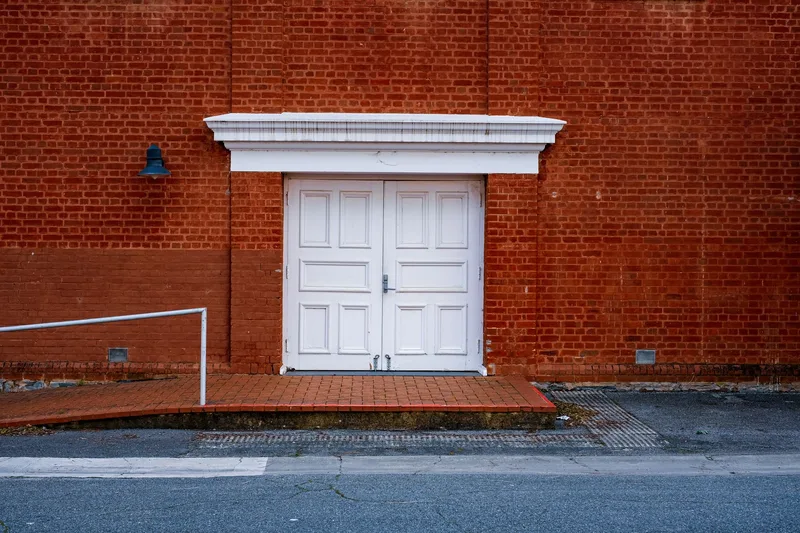
Historic Paradores vary enormously in step-free access, lifts and courtyard surfaces.
This guide maps the genuinely accessible properties and the questions to ask before booking.
Contents
When people picture staying in a medieval castle, an isolated clifftop fortress, or a 16th-century monastery, accessibility is rarely the first thought that comes to mind. Historically, these fortresses were engineered specifically to keep people out: steep stone staircases, narrow arrow-slit corridors, fortified portcullises, and uneven cobblestone courtyards. For travelers with reduced mobility, wheelchair users, and parents pushing heavy strollers, booking a historic property in Spain can feel like a calculated risk.
The good news is that Spain operates under some of Europe's most comprehensive accessibility mandates (governed by the Technical Building Code, or Código Técnico de la Edificación). Because Paradores is a state-owned hotel chain, public accessibility investments have been substantial. The challenge lies in the tension between architectural preservation laws (*Patrimonio Histórico*) and modern barrier-free engineering. While some properties offer seamless ramped access and modern lifts, others retain historic friction points that require advance planning.
This comprehensive field guide breaks down how to navigate paradores mobility access across Spain, which properties excel at barrier-free travel, which castles present severe hurdles, and how to guarantee you get a genuinely adapted room.
How Paradores Classifies Accessible Rooms (Habitaciones PMR)
In Spain, accessible rooms are officially designated as habitaciones PMR (Personas con Movilidad Reducida). By national regulations, almost every Parador has at least one or two fully adapted rooms. However, the standard of adaptation varies significantly depending on whether the building underwent a recent structural renovation or relies on grandfathered heritage modifications.
What to Expect Inside a Standard Adapted Room
- Doorway Widths: Entrance and bathroom doorways are widened to at least 80–85 cm (31.5–33.5 in), easily clearing standard manual and motorized wheelchairs.
- Zero-Threshold Bathrooms: Wet-room style roll-in showers with no step or curb, wall-mounted folding shower benches, and grab rails beside both the shower seat and toilet.
- Clearance and Radii: Bedside turnarounds with at least 150 cm (59 in) of clear diameter to allow wheelchair transfers.
- Fixtures and Fittings: Lowered towel rails, roll-under sinks with lever-action mixer faucets, low-mounted light switches, and emergency pull cords linked to the 24-hour reception desk.
Crucially, you cannot simply check an accessibility box on most standard online booking engines and assume your room is reserved. Because historic properties usually have only 1 to 4 PMR rooms in their entire inventory, you must secure the room explicitly. After making your reservation, call or email the property directly with your booking locator to request written confirmation that a habitación adaptada PMR has been locked into your file. If you are debating between room categories, consult our Historic Wing vs. Modern Annex guide, as adapted rooms are often situated in modernized wings where lift shafts could be installed without damaging original frescoes or masonry.
The Best Wheelchair Accessible Paradores in Historic Buildings
Finding genuine accessible castle hotels spain can be tricky, but several historic properties have undergone masterclass architectural interventions. The following Paradores successfully pair monumental history with smooth, step-free circulation.
1. Parador de León (Hostal San Marcos)
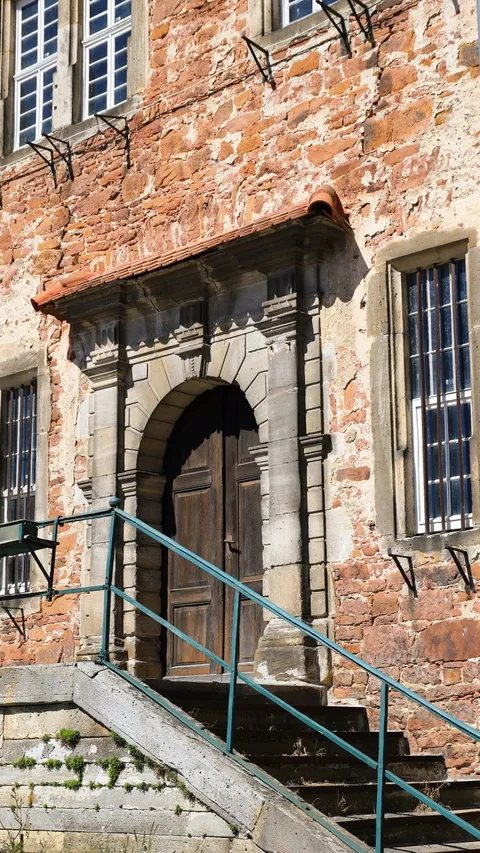
Originally a 12th-century pilgrim hospital and 16th-century Plateresque convent, San Marcos underwent an exhaustive multi-year restoration completed in late 2020. The result is arguably the gold standard for accessible historic lodging in Europe. The monumental cloister features level, polished stone walkways, spacious modern glass lifts serve all guest corridors, and the adapted suites feature motorized push-button doors, roll-in rain showers, and step-free access to the restaurant and inner courtyards.
2. Parador de Cuenca (Convento de San Pablo)
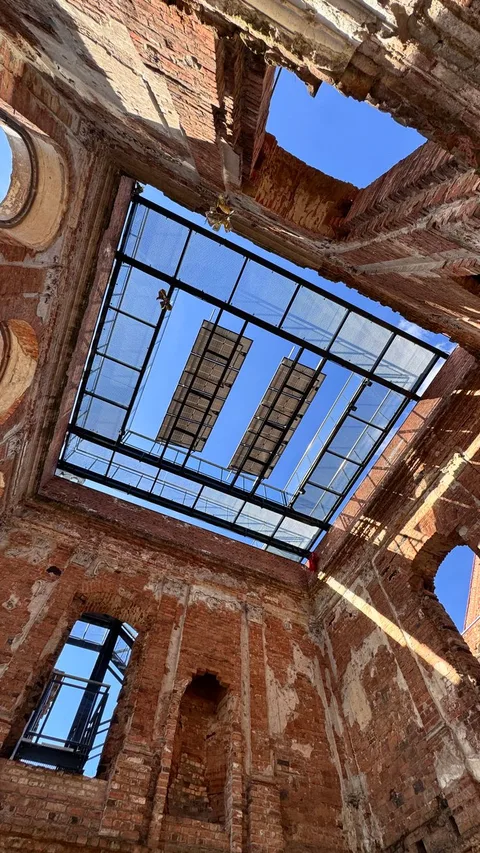
Perched high on the sheer rock wall of the Huécar Gorge, this 16th-century Dominican monastery looks daunting from the outside. However, the hotel is one of the most accessible monastery conversions in the network. A modern elevator serves the glassed-in cloister, and ramps bypass historic stairs leading to the dining room. From the hotel entrance, the pedestrian San Pablo footbridge offers level, step-free passage directly across the canyon to the famous Hanging Houses. For full details on exploring the property, read our Parador de Cuenca visitor guide.
3. Parador de Granada (Convento de San Francisco)
Staying inside the Alhambra complex is an extraordinary experience, and this 15th-century convent where Queen Isabella was initially buried handles accessibility remarkably well. The main entrance, cloister courtyard, and serene dining terrace overlooking the Generalife gardens are entirely accessible via discreet brick and stone ramps. Step-free PMR bedrooms are located on the ground level. While the medieval stone pathways of the surrounding Alhambra palace grounds feature occasional uneven river cobblestones, the Parador itself is exceptionally smooth. Plan your stay using our dedicated Parador de Granada guide.
4. Parador de Baiona (Pontevedra, Galicia)
Set within the massive stone fortifications of the Monterreal Peninsula, Baiona offers an impressive balance of fortress atmosphere and step-free convenience. While the outdoor parapet walls have steps, the hotel interior is completely connected by modern lifts. Smooth paved ramps bypass the grand stone staircases, the ocean-view dining halls are level, and the expansive gardens feature wide, paved walking paths suitable for wheelchairs and pushchairs alike.
Properties with Severe Accessibility Obstacles
Spain's historic preservation laws strictly forbid certain modifications on category-one cultural monuments (Bienes de Interés Cultural). At some properties, installing an exterior lift shaft or leveling a historic courtyard would permanently alter the protected architecture. If you rely on a power wheelchair, have limited upper-body pushing power, or cannot manage any stairs, exercise caution with these locations:
| Parador | Architectural Obstacle | Accessibility Verdict |
|---|---|---|
| Cardona (Catalonia) | Steep 14% hilltop approach, rough river-stone courtyards, Romanesque crypt reachable only by historic stone stairs. Read our Parador de Cardona guide for layout specifics. | Challenging: Lifts reach upper guest rooms, but courtyards, battlements, and the historic chapel have significant steps. |
| Jaén (Santa Catalina) | Rugged bedrock paths, fortress ramparts, split levels connected by narrow stone stairs inside 13th-century defensive towers. | Moderate/Challenging: Main public lounge and adapted rooms are accessible, but castle battlements are strictly inaccessible. |
| Alarcón (Cuenca) | 8th-century Moorish fortress tower; narrow perimeter walls, tight spiral staircases, and very small historic footprint. | Not Recommended: Structural restrictions mean the property cannot accommodate full step-free access throughout. |
| Hondarribia (Basque Country) | 10th-century stone fortress of Emperor Charles V. Massive stone walls, split-level historic vaults, and rough flagstone paving. | Partially Adapted: One adapted room exists, but navigating the ancient stone patio and medieval terraces requires navigating stone sills and uneven stone. |
Elevator Access and Heritage Architecture
One of the most frequent surprises for travelers is how elevator access historic parador properties function. In converted Renaissance palaces and Neoclassical buildings, lift shafts were easily integrated into old service courtyards or rear wings. However, in medieval defensive castles, floor levels rarely align in a straight horizontal line.
In several converted monasteries, you may take a modern elevator to the second floor, only to discover that reaching a specific historic wing requires traversing a mini-flight of three to five stone steps. When booking, always emphasize that you need acceso 100% sin escalones (100% step-free access from the elevator to the bedroom door). The staff can ensure your room is on an uninterrupted hallway level rather than a historic split-level mezzanine.

Navigating Restaurants, Terraces, and Breakfast Buffets
Parador dining rooms are known for expansive breakfast spreads and regional gastronomy. In nearly all properties, the primary restaurant has step-free access or an adjacent ramp. Where historic dining halls have raised stone dais levels, staff will seat mobility-impaired guests at prime ground-level tables.
Breakfast buffets are occasionally situated on raised platforms or within historic refractory recesses. Parador waitstaff are exceptionally attentive: if you are dining independently with limited mobility, simply notify the maître d', and an attendant will assist you with carrying items from the buffet line, pouring hot coffee, or bringing custom hot dishes directly to your table. You can explore regional menus and dining customs in our Dining at Paradores food guide.
The Cobblestone Reality: Empedrado Granadino and Flagstones
Even when a hotel interior is completely step-free, outdoor grounds present unique terrain challenges. In Southern Spain (such as Granada and Córdoba), inner patios often use traditional empedrado—decorative river pebbles pressed on edge into mortar. These surfaces create high-vibration terrain that can jar manual wheelchairs and catch small caster wheels. When touring hotel gardens and medieval cloisters, look for the designated smooth perimeter pavers (encintados), which were laid down specifically to provide a level wheel track.
Arrival Logistics, Blue Badges, and Parking
Arriving at a historic Parador requires a different logistical strategy than pulling up to a modern highway hotel. Many castle Paradores occupy the highest defensive summit of an ancient town, accessed via narrow, winding cobblestone streets.
- European Blue Badge Recognition: Spain fully recognizes the European Parking Card for people with disabilities, as well as reciprocal blue badges from the UK, the US, Canada, and Australia. Display your card clearly on the vehicle dashboard.
- Designated PMR Parking Bays: Paradores with on-site parking garages or private surface lots reserve dedicated wide bays near the main entrance or elevator lobby. These spots cannot be reserved online in advance; inform the front desk via intercom at the security gate so they can open the barrier for you.
- Luggage Drop-Off Zones: Even if on-site parking is full, all Paradores allow step-free luggage drop-off at the main portal. Reception staff will gladly store your bags while you park. For driving advice on navigating tight town gates, consult our Parador driving and parking guide.
Modern and Coastal Alternatives: Spain Step-Free Hotels
If you want the Parador experience—impeccable local food, government-backed service standards, and scenic locations—without the structural friction of 14th-century fortresses, consider the modern and coastal architectural gems in the network. These spain step-free hotels were constructed specifically with contemporary universal design in mind:
- Parador de Cádiz (Hotel Atlántico): A breathtaking, ultra-modern glass-and-steel building jutting into the Atlantic. It features 100% barrier-free circulation, zero-threshold glass balcony doors, pool hoists for aquatic therapy/swimming, and wide panoramic corridors.
- Parador de Segovia: Situated on a hillside looking back at Segovia's Roman aqueduct, this brick modernist hotel offers level parking, wide elevators, and step-free panoramic garden terraces.
- Parador de El Saler (Valencia): Located inside a coastal nature reserve with an championship golf course, featuring flat, smooth single-level public areas, accessible boardwalks toward the Mediterranean dunes, and spacious adapted rooms.
- Parador de Nerja (Málaga): Perched on an Andalusian cliff, this mid-century property features broad garden paths and its own private cliffside elevator that carries guests directly down to Burriana Beach with level access.
The Essential 5-Step Mobility Booking Protocol
To avoid any logistical snags on arrival, follow this proven routine when planning your trip:
- Filter for Adapted Capacity: Confirm that the target Parador offers an adapted room inventory (PMR). If traveling with a large power chair, inquire about elevator carriage dimensions, as some historic lift conversions are compact.
- Book Directly and Call Immediately: After reserving your stay, do not rely solely on automated booking notes. Call or email the hotel reception directly with your reservation number and request: 'Necesito una habitación adaptada para persona con movilidad reducida con ducha a cota cero (sin plato/escalón).'
- Verify Step-Free Common Areas: Ask whether the swimming pool, main dining room, and primary outdoor terrace can be accessed without climbing steps. Some pools now feature hydraulic pool lifts (grúa para piscina), while others require descending stone garden steps.
- Plan Transit and Taxis: If traveling without a rental car, ask the reception desk to pre-book an adapted taxi (eurotaxi) for transfers between the train station and the Parador summit. In small historic towns like Toledo, Ronda, or Arcos de la Frontera, accessible cabs are limited and require 24 hours advance notice.
- Check Equipment Rental Options: If you require mobility scooter hire, specialized hoists, or shower wheelchairs delivered to your hotel room, major Spanish hubs (Madrid, Seville, Barcelona, Santiago) have dedicated medical suppliers who coordinate directly with Parador concierge desks.
Частые вопросы
Are all Spanish Paradores wheelchair accessible?
Almost all Paradores have at least one adapted PMR room and step-free access to main dining rooms. However, because many operate inside protected historic castles and monasteries, certain fortress ramparts, crypts, and medieval towers remain inaccessible due to architectural heritage preservation laws.
How do I ensure I get an accessible room when booking a Parador?
Always contact the specific Parador directly by phone or email immediately after completing your booking. Request explicit written confirmation for an 'habitación adaptada PMR' with a roll-in shower (ducha a cota cero), as these rooms cannot be 100% guaranteed via third-party automated check-boxes alone.
Does Spain recognize foreign disability parking permits (Blue Badges)?
Yes. Spain recognizes disability parking permits issued by EU member states, the UK, the US, Canada, and Australia under reciprocal international agreements. Display your valid permit clearly on the dashboard when using Parador PMR bays or municipal blue parking zones.
Do Parador swimming pools have wheelchair lifts or hoists?
Modern and recently renovated Paradores (such as Cádiz, El Saler, and modern wings of resort properties) frequently provide hydraulic pool lifts (grúas de piscina). However, historic castle pools tucked into terraced hillside gardens often require navigating stone steps; contact the front desk ahead of time to confirm pool hoist availability.