Styles & Stays
Historic Wing vs. Modern Annex: How to Book an Authentic Castle Room
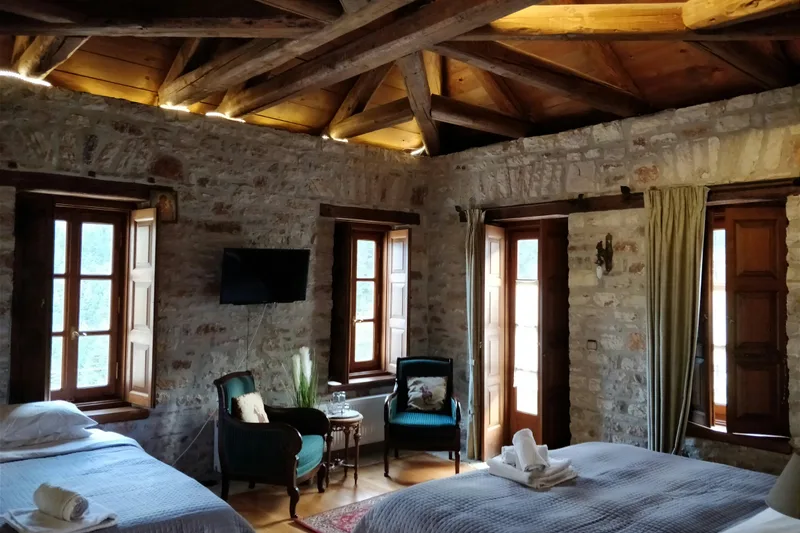
Not every room in a Parador sleeps inside the old walls — many properties hide a modern annex built decades later.
Here is how to read room categories and reserve an authentic vaulted, stone-walled stay.
Contents
Few travel experiences match the initial rush of pulling up to a Spanish Parador. You pass through a portcullis, cross a stone moat, and look up at battlements that have stood since the Reconquista. But for hundreds of unsuspecting guests each year, that fairy-tale feeling evaporates the moment the bellhop opens the door. Instead of soaring groined vaults, exposed limestone, and wrought-iron sconces, they are escorted into a bland, carpeted room in a 1970s concrete wing featuring low drop ceilings, generic laminate desks, and an aluminium sliding window overlooking the air conditioning units in the rear car park.
This scenario is the single most common grievance among travelers exploring castles, palaces, and monasteries across Spain. The disappointment is understandable: nobody pays a premium to sleep in a fortress only to end up in what feels like a regional business motel. Fortunately, this frustration is entirely preventable once you understand how the Parador network expands its historic properties, how the official reservation engine categorizes inventory, and how to spot which properties have segregated wings.
The Modern Annex Trap: Why Historic Paradores Have Modern Wings
To avoid being placed in a concrete extension, it helps to understand why these additions exist. Spain established the state-run Parador network in 1928, initially converting monumental fortresses and derelict convents into showcase hotels. However, during the tourism boom of the 1960s and 1970s under Information and Tourism Minister Manuel Fraga, the demand for rooms far outstripped the architectural capacity of genuine medieval keeps.
A 14th-century royal palace might have had only 12 or 15 chambers suitable for conversion into en-suite bedrooms without destroying structural load-bearing masonry. To achieve economic viability, the state architect teams built side extensions (often called ampliaciones or alas nuevas). In some properties, these additions were built with tasteful exterior stonework to blend in with the curtain walls, but their interior layouts relied on mid-century construction methods: thin partition walls, standardized rectangular floor plans, and low ceilings.
Today, many monumental hotels in the chain are split compounds. When you book a stay at these historic wing paradores, your booking confirmation does not automatically specify whether you will sleep inside the original ducal quarters or inside a concrete wing constructed in 1974. Understanding the inventory split is the only way to avoid modern annex parador disappointment.
Decoding Parador Room Types: What the Booking Engine Hides
The core problem lies in the standardized naming system Paradores applies across all 98 properties. Whether a hotel is a 10th-century Catalan fortress or a 1980s seaside resort, the booking engine utilizes the exact same basic room tiers:
- Habitación Doble Estándar (Standard Double): In split-wing properties, this category is almost always assigned to the modern annex or the newer 20th-century residential wing. These rooms are comfortable and equipped with modern plumbing, but they usually lack exposed stone, wood-beamed ceilings, or historic features.
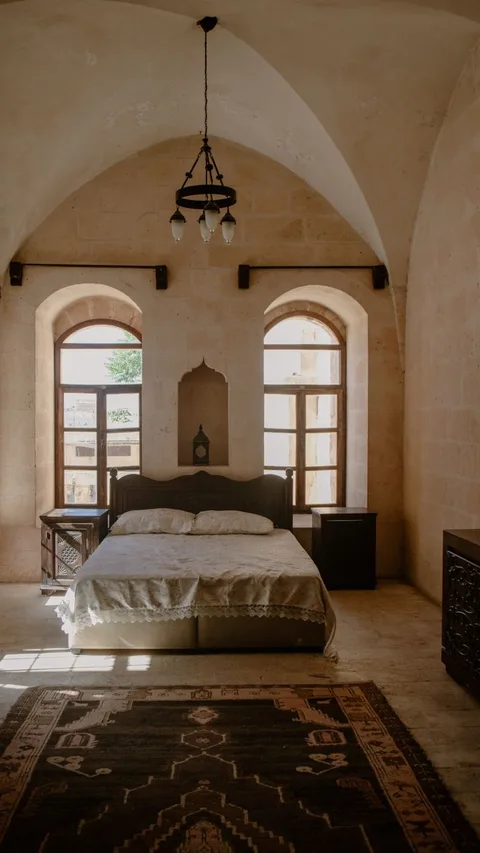
- Habitación Doble Superior (Superior Double / Superior Historic Room): Booking a superior historic room is the primary safeguard against the modern annex. At historic monuments with divided wings, the Superior tier is explicitly reserved for rooms situated within the original architectural envelope—such as chambers with Gothic ribbing, heraldic crests, or panoramic vistas through original archways.
- Habitación Única (Unique Room): Paradores designates roughly 60 distinct rooms across the network as 'Unique Rooms.' These are individually numbered chambers of high historical or architectural distinction—for instance, the King Charles III chamber at Olite, the Dawn Tower (Torre del Alba) overlooking the Generalife inside the Parador de Granada, or Duke of Medinaceli quarters. They command a higher price point (typically €50 to €140 above standard rates) but guarantee absolute architectural authenticity.
- Junior Suite / Suite: While suites are almost universally located in the noble or historic sections, verify the property's floor plan before assuming so. In a handful of 20th-century additions, 'suites' are simply larger contemporary rooms with separate sitting areas.
High-Risk vs. Annex-Free Paradores: Castle-by-Castle Breakdown
Not all fortress Paradores present the same risk. In some locations, 100% of guest rooms are carved directly out of the medieval keep. In others, more than half the hotel is modern construction. The table below details the annex risk level at popular monumental Paradores across Spain for bookings through the 2026 season:
| Parador & Location | Historical Core | Annex Risk Level | Where Authentic Castle Rooms Are | Minimum Category to Guarantee Historic Wing |
|---|---|---|---|---|
| Parador de Olite (Navarre) | 15th-century Gothic Palace of the Kings of Navarre | Extremely High | Palacio Viejo wing (Rooms 101–116 only) | Doble Superior or Habitación Única |
| Parador de Jarandilla de la Vera (Cáceres) | 15th-century Castle-Palace of Count of Oropesa | High | Original keep and cloister gallery around the inner patio | Doble Superior |
| Parador de Cardona (Catalonia) | 9th-century fortified hilltop castle complex | Zero Annex Risk | 100% of rooms are inside the historic fortress walls | Doble Estándar (All rooms historic) |
| Parador de Alarcón (Cuenca) | 8th-century Moorish fortress tower | Zero Annex Risk | Entire hotel has only 14 rooms inside the stone fortress | Doble Estándar (All rooms historic) |
| Parador de Oropesa (Toledo) | 14th-century Palace of Virrey Álvarez de Toledo | High | Old Palace (Palacio Viejo) and Torre del Homenaje | Doble Superior or Habitación Única |
| Parador de León (San Marcos) | 16th-century Plateresque Convent & Pilgrim Hospital | High | Historic Cloister Wing (Modern block is 100% contemporary) | Habitación Histórica / Suite Histórica |
| Parador de Hondarribia (Gipuzkoa) | 10th-century Castle of Charles V | Low | Thick outer fortress walls (some courtyard rooms feel plainer) | Doble Superior |
| Parador de Baiona (Pontevedra) | 16th-century Monterreal Fortress enclosure | Special Case | Rooms are in a 1965 neo-Galician pazo inside the ramparts | Doble Superior (for sea/rampart views) |
| Parador de Cuenca (Cuenca) | 16th-century Dominican Monastery of San Pablo | Medium | Upper cloister levels facing the gorge | Doble Superior (Convento) |
| Parador de Jaén (Jaén) | Santa Catalina hilltop fortress | Zero (Reconstruction) | Built in 1965 in monumental neo-medieval style throughout | Doble Estándar (High vaulted ceilings everywhere) |
As shown above, staying at the Parador de Cardona guarantees authentic stone masonry, vaulted Gothic ceilings, and arched timber doorways regardless of which room category you reserve. Cardona never built a sprawling external annex; its rooms are integrated directly into the 9th-century ducal castle complex. Conversely, at Olite, reserving a standard room will almost certainly place you in the 1960s wing facing outward, completely isolated from the Gothic palace corridors.
5 Concrete Booking Rules to Guarantee Vaulted Stone & Beams
If you want to ensure your stay delivers the romantic, centuries-old atmosphere you are picturing, apply these five field-tested booking rules:
- Bypass the Standard Double at Split Properties: When booking a Parador classified as High or Extremely High risk in our matrix, never book the entry-level 'Doble Estándar.' Pay the extra €25 to €60 per night for a Doble Superior. The cost difference is modest compared to the disappointment of sleeping in a generic annex.
- Avoid Third-Party OTAs for Monumental Stays: Online travel agencies (like Booking.com or Expedia) pool wholesale Parador room allotments under generic titles like 'Standard Room' or 'Double Room with Private Bathroom.' These pools almost invariably correspond to the least desirable rooms in the modern wing. Book directly on the official Paradores website or mobile app, where the sub-inventory (e.g., 'Doble Superior Palacio' vs. 'Doble Estándar Nueva') is delineated.
- Leverage Loyalty Perks at Check-In: Register for the free Amigos de Paradores loyalty program prior to your stay. While the Amigos card does not guarantee a castle room at the point of reservation, members receive preferential room allocation within their booked tier and are first in line for complimentary upgrades to the historic wing when occupancy allows.
- Insert Specific Spanish Phrasing in the Request Box: Hotel allocation software assigns rooms automatically unless a human agent intervenes. In the 'Special Requests' (Peticiones Especiales) field during checkout, paste this concise Spanish note: 'Agradeceríamos muchísimo una habitación en el ala histórica original (edificio monumental / castillo medieval), con paredes de piedra y techos tradicionales. Viaje de interés cultural.' Spanish reception managers take architectural preferences seriously when phrased politely in the local tongue.
- Send a Direct Email to the Parador 5 Days Before Arrival: Every Parador has a dedicated direct email address (formatted as [email protected], such as [email protected] or [email protected]). Five to seven days prior to check-in, send an email with your reservation reference, reiterating your request to be situated in the original monumental wing. Front-desk room assignment managers typically block specific room numbers 48 to 72 hours before arrival.
The Trade-Offs: Why Castle Rooms Aren't Always for Everyone
Before committing exclusively to authentic castle rooms, consider the practical compromises inherent to sleeping in structures engineered for military defense rather than guest comfort. Medieval stone keeps were designed to repel siege engines, not to optimize modern convenience.
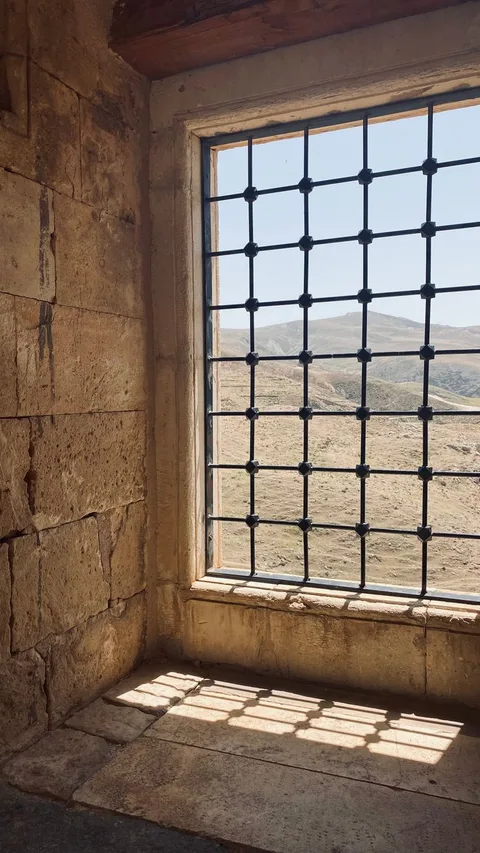
First, authentic castle chambers frequently feature small window apertures—arrow slits, lancets, or narrow embrasures designed to shield archers. Consequently, historic wing rooms receive significantly less natural sunlight than modern annex rooms, which typically offer expansive double-glazed windows. If you suffer from claustrophobia or prefer sun-drenched interiors, a superior historic room with three-foot-thick masonry may feel dark and brooding.
Second, massive stone walls are notoriously hostile to modern wireless technology. While Paradores upgraded its internal networks between 2024 and 2026 with discreet mesh repeaters, Wi-Fi signals frequently struggle to penetrate five-foot granite blocks. If you need uninterrupted high-speed internet for remote video work, modern wings often provide superior connectivity.
Third, accessibility can be a decisive factor. Many original castle towers and cloister galleries require navigating spiral stairwells, uneven flagstones, and threshold steps that cannot be modified with ramps due to heritage conservation laws. If you are traveling with heavy luggage or have reduced mobility, consult our dedicated accessibility guide for historic Paradores before insisting on an upper-tower medieval chamber.
Key Paradores with Divided Wings and Exactly What to Request
To ensure flawless reservations at the most commonly misunderstood properties, use these specific insider instructions:
Parador de Olite (Navarre)
The crown jewel of Navarrese Gothic architecture has an extreme wing disparity. The authentic Palacio Viejo comprises just 16 rooms, while the 1963 wing houses the remaining 27. The modern addition emulates Gothic touches in the corridors, but the rooms themselves lack medieval atmosphere. To stay in the genuine 15th-century palace, book a Doble Superior and request rooms on the first or second floor of the Old Palace. For the ultimate experience, book Habitación Única #107 (the King Charles III Suite) or #108, which feature carved stone fireplaces and four-poster canopied beds.
Parador de Jarandilla de la Vera (Cáceres)
This fortress sheltered Holy Roman Emperor Charles V in the autumn of 1556 while his quarters at the Monastery of Yuste were being completed. The castle's courtyard and drawbridge are unforgettable, but roughly half the room inventory sits in a lateral 20th-century wing that resembles a basic regional inn. Book a Superior Room and request a chamber facing the central cloistered patio or overlooking the olive groves from the old defensive ramparts.
Parador de Cuenca (Castilla-La Mancha)
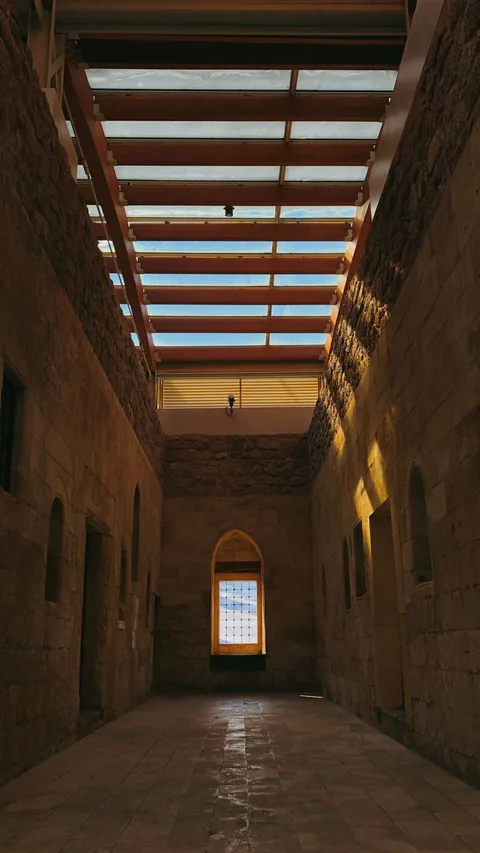
Perched high above the Huécar gorge facing the iconic Casas Colgadas, this former 16th-century convent features rooms overlooking the gorge as well as quieter rooms overlooking the central glass-roofed cloister. Read our detailed Parador de Cuenca guide to understand the layout: rooms situated directly in the convent's historic cloister wings preserve heavy wooden doorways and hand-hewn ceiling beams, whereas exterior annex rooms trade heritage carpentry for breathtaking cliff views. When booking, decide whether your priority is monastic timber architecture or a direct view of the Hanging Houses across the footbridge.
Parador de León (San Marcos)
Following its comprehensive multi-year modernization, San Marcos reopened with a dramatic split: the historic Plateresque building contains museum-grade common areas, cloister galleries, and a small collection of monumental historic suites, while standard accommodations were built anew inside an ultra-modern concrete-and-glass residential wing. The contemporary rooms are among the most luxurious in northern Spain, but they are unabashedly modernist. If you are seeking an antique monastic stay, you must specifically reserve one of the historic suites in the original 16th-century edifice.
Частые вопросы
How can I tell if a Parador has a modern annex before booking?
Check the property's total room count against its medieval footprint: historic keeps with over 40–50 rooms (like Olite with 43 or Jarandilla with 52) almost always rely on an added wing. You can also run the hotel name through our Wing & Authenticity Checker widget to see its exact wing breakdown.
Does booking a 'Standard Double' ever get you an authentic castle room?
Only at Paradores with zero annexes (such as Cardona or Alarcón, where every single room is inside the fortress) or during very low winter occupancy when the front desk consolidates guests into the historic core to save heating costs in the annex.
What exact words should I put in my booking notes to get stone walls?
Write: 'Rogamos, si es posible, habitación en el ala histórica original del castillo/palacio con paredes de piedra vistas. Muchas gracias.' Front desk managers review notes during morning room assignment.
Are castle rooms colder or noisier than modern annex rooms?
Castle rooms have exceptional acoustic insulation thanks to multi-foot stone walls, making them very quiet. However, stone retains cold; while all Paradores provide modern heating, rooms with vaulted ceilings can feel brisk in mid-winter. Annex rooms are easier to climate-control.