Styles & Stays
Dining at Paradores: Half Board, Regional Specialties & Wine Lists
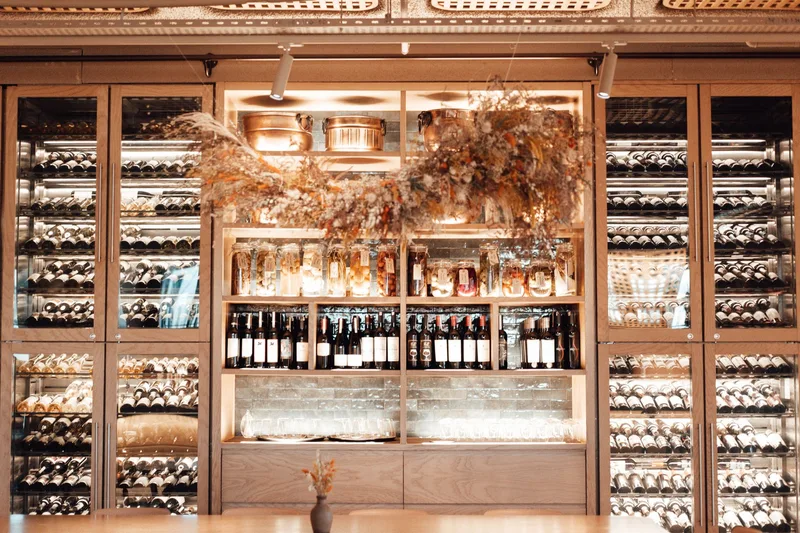
Parador restaurants champion regional Spanish cooking, but half board, tasting menus and à la carte pricing differ sharply.
This guide unpacks the menus, the wine lists and when it pays to eat out instead.
Contents
Dining at a Parador is never just a convenient hotel amenity; it is a fundamental pillar of the Paradores mission. When the state network was founded in 1928, its charter was twofold: rescue crumbling architectural heritage and safeguard regional Spanish gastronomy. While many international hotel chains offer standardized international menus, Paradores operates as Spain’s largest culinary preservation project. Inside these vaulted refectories, Moorish courtyards, and former palace stables, recipes that have simmered for centuries are served using strictly sourced, certified local ingredients.
Understanding how the dining system works—from deciphering the parador restaurant menu to evaluating whether the half-board rate actually saves money—can transform your trip. Here is our insider guide to navigating dining rooms, local dishes, wine selections, and the economics of eating across Spain’s state-run castles.
The Parador Dining Structure: Concepts & Formats
Paradores divides its dining spaces into distinct concepts, ensuring you can choose between formal multi-course regional banquets and relaxed tapas grazing after a long drive.
1. Restaurantes Tradición (The Heritage Dining Rooms)
Found in nearly every Parador, these are the flagship dining rooms. The setting is typically magnificent—high stone barrel vaults, heraldic tapestries, wrought-iron chandeliers, and heavy walnut tables. The culinary focus is regional spanish cuisine paradores has documented over decades: slow-cooked stews, roasted heritage meats, local game, and legacy desserts. Service is traditional, white-glove, and unhurried.
2. Restaurantes Especia (Signature Dining)
At select premier locations, the restaurant carries the Especia badge. Here, executive chefs apply contemporary culinary techniques to historical recipes. Expect refined tasting menus, artistic plating, and imaginative pairings, yet grounded firmly in the indigenous produce of the surrounding province.
3. Enxebres (Galician Gastronomic Taverns)
If you travel through Galicia, you will encounter the Enxebre concept inside Paradores like Monforte de Lemos, Baiona, and Santiago de Compostela. These rustic, tavern-style eateries celebrate hearty Celtic-Iberian dining: granite walls, rough-hewn oak benches, terracotta bowls of ribeiro wine, wood-grilled octopus, and empanadas.
4. Cafeterías and Bar Terraces
Every Parador features a cafeteria or outdoor terrace bar. Serving from mid-morning until midnight, they provide light meals: artisan Iberian ham plates, local cheeses, croquetas, regional sandwiches, and wine by the glass. They are the ideal option on days when a three-course sit-down dinner feels too substantial.
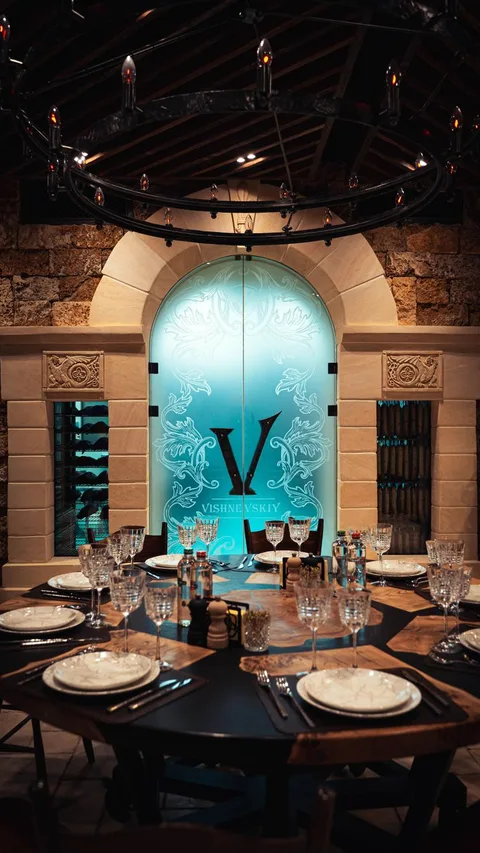

Half Board at Paradores: Is It Worth the Money?
One of the most frequent dilemmas travelers face when booking via the official website is whether to choose Bed & Breakfast (Alojamiento y Desayuno) or Half Board (Media Pensión). To evaluate half board paradores value, you need to examine the numbers and your itinerary geography.
The Math: Half Board vs. A La Carte (2026 Prices)
| Dining Option | Average Cost per Person | What Is Included | Best For |
|---|---|---|---|
| Parador Buffet Breakfast | €21.00 – €24.00 | Extensive hot & cold buffet, cured meats, local cheeses, made-to-order eggs, cava | All overnight guests (essential start to the day) |
| Half-Board Supplement (Media Pensión) | €38.00 – €44.00 | Full breakfast + 3-course dinner (starter, main, dessert, bread, water, house wine) | Remote castles, mountain retreats, relaxed road trips |
| A La Carte Dinner (Carta) | €48.00 – €65.00 | 3 courses selected freely from the a la carte menu + mid-tier wine & coffee | Foodies wanting absolute freedom or smaller appetites |
| Town Tapas / Off-Property Bistro | €22.00 – €35.00 | 3–4 tapas/raciones or local daily menu (menú del día) in town | Paradores located right in city centers |
As the breakdown shows, the half-board dinner package essentially gives you a multi-course dinner with wine for under €45 per person—a saving of 20% to 30% compared to ordering the exact same dishes a la carte. Check our 7-day Parador budget breakdown for how this impacts total trip costs.
The Location Rule: When to Book Half Board
Never apply a blanket policy across your entire booking. The decision should depend entirely on where each fortress sits:
- Book Half Board: At isolated mountain and hilltop properties such as the Parador de Jaén atop Santa Catalina or Cazorla, Gredos, and Bielsa. Navigating steep, single-track mountain roads at 11:00 PM after dinner in town is neither pleasant nor safe. Dining in the castle vault is part of the experience.
- Skip Half Board (Choose B&B): At urban properties like Salamanca, Segovia, Ronda, or Granada. Staying at a Parador located inside an urban fabric allows you to wander into historic tapas alleys, sample local cider bars, or dine at neighborhood tabernas. For instance, while staying in Andalusia, as detailed in our guide to the Parador de Ronda, skipping half board lets you explore the clifftop wine bars of the old quarter.
- Loyalty Advantage: Remember that holding gold or silver status via the Amigos de Paradores loyalty program grants a complimentary welcome drink on arrival and allows you to earn points redeemable for future dining room vouchers.
A Culinary Tour: Regional Signatures Across Spain
The core ethos of Paradores is that the restaurant table reflects the landscape outside the window. Here is what to look for on the menu by Autonomous Community.
Castilla y León: Roast Meats and Legumes
In the vast central plains, the wood-fired clay oven (horno de leña) reigns supreme. The undisputed star dish is cochinillo parador segovia: tender, milk-fed suckling pig roasted with little more than water and lard until the skin crackles like parchment while the meat stays unctuously tender. Other highlights include lechazo churro (roast baby milk-fed lamb), and rich legume dishes like judiones de La Granja (giant buttery white beans stewed with chorizo, pig ear, and black pudding).
Castilla-La Mancha: Shepherds’ Heritage
La Mancha gastronomy is earthy, rustic, and deeply linked to Don Quixote. At the Parador de Cuenca, dinner opens with morteruelo conquense, an ancient warm paté of pork liver, partridge, hare, and toasted spices spread over crusty bread. You will also find pisto manchego topped with a fried farm egg, braised red-legged partridge (perdiz toledana), and aged Manchego cheese drizzled with rosemary honey.
Andalucía: Moorish Spices, Cold Soups & Olive Oils
In the southern provinces, freshness and heritage clash beautifully. Start with silky cold soups: traditional gazpacho andaluz, thick salmorejo cordobés garnished with cured jamón and hard-boiled egg, or white garlic-and-almond ajoblanco. Main courses emphasize rabo de toro (slow-braised oxtail in Montilla-Moriles wine), Atlantic bluefin tuna along the Cadiz coast, and fried baby squid dusted in chickpea flour.

Galicia & Asturias: The Maritime Celtic North
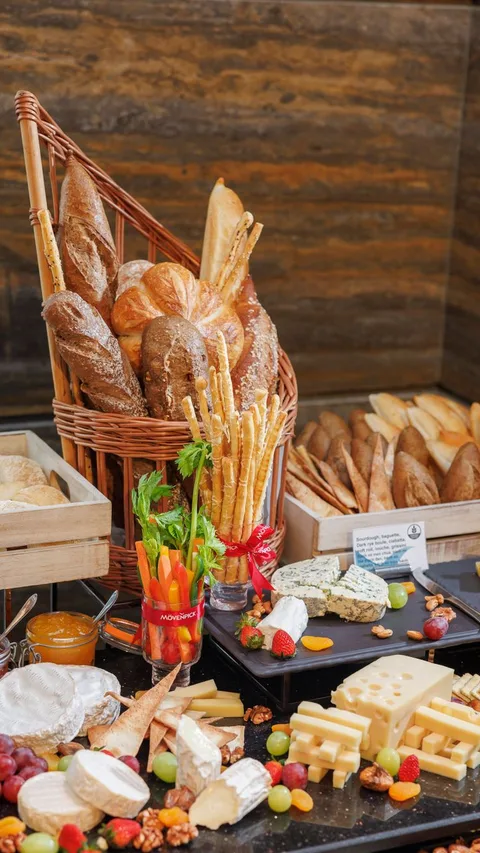
Green Northern Spain showcases seafood and cattle grazing on sea-misted meadows. Order pulpo á feira (boiled octopus served over sliced potatoes with sweet pimentón and sea salt flakes), steaming pots of fabada asturiana (rich white bean stew laden with local cured pork), and wood-grilled coastal turbot. Finish with tarta de Santiago, a dense, flourless almond cake stamped with the Saint James cross.
Catalonia & Aragón: Mountain Game & Mar i Muntanya
In the northeast, menus highlight mar i muntanya (surf-and-turf combinations like chicken stewed with crayfish), tender ternasco de Aragón (PGI-certified young mountain lamb roasted with rosemary), and salt cod prepared a la llauna with garlic, parsley, and sweet paprika.
Navigating the Paradores Wine Cellar
Paradores maintains an enviable wine program. Rather than imposing corporate agreements with mass-market producers, the head sommeliers curate cellars that champion local Denominaciones de Origen (D.O.). The selection of spanish wines paradores offers is known among locals for fair, modest markups—frequently pricing vintage bottles at only €5 to €12 above local retail shelf prices.
Beyond Rioja: Regional Pairings to Try
- Castile Fortresses: Look for bold, structural reds from D.O. Ribera del Duero, D.O. Toro (known for powerful Tinta de Toro grapes), or elegant, mineral Mencía from the terraced hills of D.O. Bierzo.
- Galician Monasteries: Pair fresh shellfish with crisp, saline Albariño from D.O. Rías Baixas, or explore fragrant, aromatic Godello from D.O. Valdeorras.
- Andalusian Palaces: Take advantage of Andalusia’s fortified wine culture. Begin dinner with a bone-dry, chilled Manzanilla or Fino from Jerez, move through the main course with an aged Oloroso or Amontillado, and conclude with a velvety Pedro Ximénez poured over dark chocolate or cheese.
- House Wine Quality: If you dine under the Half-Board plan, the included house wine is never bulk plonk. Paradores selects reputable regional D.O. bottled wines (such as a crianza Rioja or an estate Verdejo) that complement the daily menu.
Practical Logistics, Timetables & Etiquette
Spanish meal schedules differ markedly from standard northern European or American habits. Keep these practical considerations in mind:
Dining Hours
- Breakfast Buffet: 7:30 AM – 11:00 AM (often extended to 11:30 AM on weekends and holidays).
- Lunch (Almuerzo): 1:30 PM – 4:00 PM. This is traditionally the main meal of the day in Spain, featuring the fullest culinary offerings.
- Dinner (Cena): 8:30 PM – 10:30 PM (some southern and summer locations serve until 11:00 PM). Dining rooms rarely open before 8:00 PM; arriving at 7:00 PM will find the restaurant locked and staff prepping.
Reservations & Dress Code
Hotel guests on room-only or B&B plans should ask the front desk to reserve a dinner table at check-in, particularly on Friday and Saturday evenings when local residents book tables for family celebrations. The dress code is smart casual: gentlemen typically wear collared shirts and trousers; jackets are appreciated in historic dining vaults but not mandatory. Sportswear, flip-flops, and swimwear are strictly prohibited in the evening dining rooms.
Special Dietary Needs
Paradores has partnered with the Spanish Celiac Association (FACE) for over a decade. All dining rooms feature dedicated gluten-free protocols, separate fryers, and specially trained staff. When you sit down, inform your server of any allergies (alergias) or celiac condition (celiaquía); the head waiter will walk you through a clearly labeled allergen binder and adapt sauces and side dishes on demand. Vegetarian and vegan options have expanded substantially across the network, with certified plant-based starters and mains clearly indicated on the daily menu.
Частые вопросы
Do I have to stay at the Parador to eat at the restaurant?
No. Parador restaurants are open to the general public for breakfast, lunch, and dinner. However, non-residents must reserve in advance, especially for weekend lunches and holidays.
What is included in the Parador Half Board (Media Pensión) rate?
Half board includes your room, the full buffet breakfast, and a three-course dinner (starter, main dish, and dessert) selected from the daily set menu or allocated carta items, plus mineral water, bread, and the selected house wine.
Can I swap half-board dinner for lunch?
Yes, at almost all Paradores you can choose to take your included half-board meal at lunchtime instead of dinner. Simply notify reception at breakfast so the dining room can reserve your table.
Are Parador restaurants child-friendly?
Yes. Paradores offer a dedicated children's menu (Menú Infantil) featuring fresh, simply prepared favorites such as grilled chicken, croquetas, pasta, and fish fillets at a fixed reduced price.