Paradores
Parador de Jaén: Fortress Life Atop Santa Catalina Castle
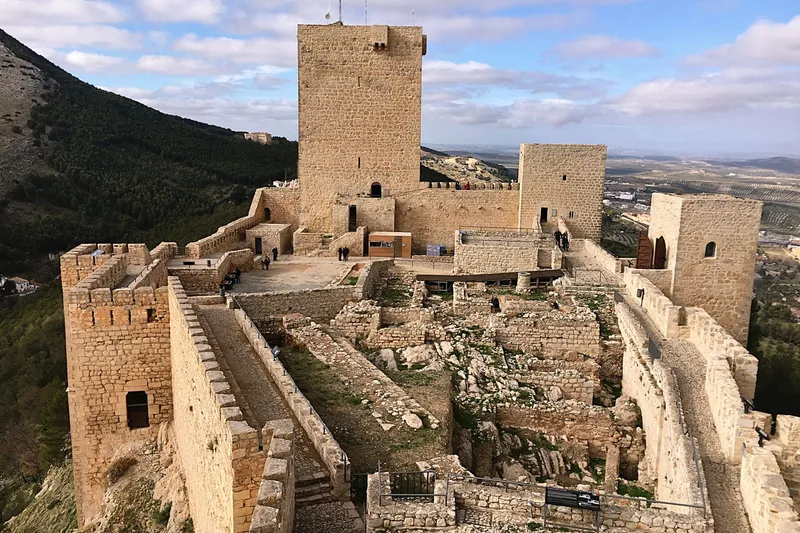
The Parador de Jaén occupies the castle of Santa Catalina on a ridge above the city.
This guide covers the winding mountain access road, the fortress rooms and what to expect from the views.
Contents
Perched 800 meters above sea level on the jagged limestone crag of Cerro de Santa Catalina, the Parador de Jaén commands an astonishing panorama over an undulating sea of more than sixty million olive trees and the distant limestone peaks of the Sierra Mágina. Widely celebrated as an archetypal andalucia medieval fortress hotel, this striking property shares the mountain ridge directly with the historic castillo de santa catalina jaen. While many historic hotels feel separated from their origins, walking past the heraldic shields and under the twenty-meter-high stone cross vaults here feels like taking command of an impenetrable Andalusian stronghold.
However, commanding a castle on an isolated mountain peak introduces unique logistical questions. Getting here requires ascending a winding serpentine mountain road, parking on a windswept cliff edge, and understanding which of the 45 guest rooms offer genuine fortress character versus standard modern hotel comfort. As you map out a journey through the best Paradores in Andalucia, this definitive guide provides the exact driving instructions, room selection strategies, and local insights needed to turn your stay atop Santa Catalina into an effortless medieval retreat.
Fortress Heritage: From Moorish Alcázar to De Gaulle's Retreat
The Cerro de Santa Catalina has been fortified since Iberian and Carthaginian times, serving as an unassailable bastion guarding the gateway between the Meseta Central and the Guadalquivir river basin. In the 8th century, Moorish rulers erected a sprawling citadel known as the Alcázar Viejo. Following the Reconquista in 1246, King Ferdinand III of Castile constructed the Christian Alcázar Nuevo right beside it, complete with five formidable defensive towers, including the monumental 40-meter Torre del Homenaje.
The property that stands today as the parador de jaen castle hotel occupies the site of the ancient fortress stables, artillery batteries, and defensive glacis directly adjacent to the Christian keep. Designed in the 1960s by master architect José Luis Picardo and meticulously restored in subsequent phases, the building was constructed using salvaged ashlar masonry, massive timber beams, and artisanal brick vaulting. The goal was deliberate: to recreate the soaring, austere grandeur of an authentic 13th-century military citadel while concealing 20th-century luxury behind its stone ramparts.
The atmosphere made a deep impression on world figures. In June 1970, General Charles de Gaulle withdrew here following his resignation from the French presidency to write the opening chapters of his final memoir, Mémoires d'espoir. Today, his retreat—Room 101, known as the Suite de Gaulle—remains preserved in its stately layout, featuring its own private lounge, expansive private terrace, and imposing antique writing desk facing the Andalusian horizon.
Navigating the Serpentine: The Mountain Road Ascent
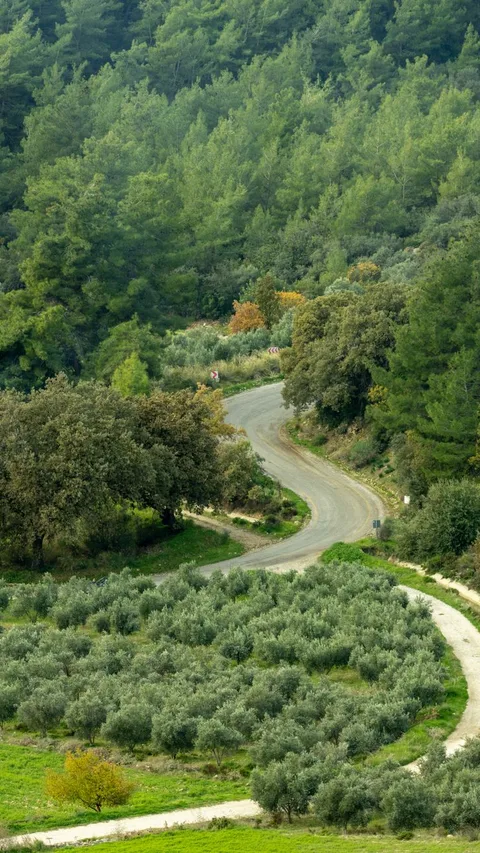
The single biggest hurdle first-time visitors face is the ascent up the Cerro. Parador de Jaén is a quintessential jaen mountain road hotel, and the final stretch requires navigating a tight, four-kilometer switchback road that climbs steadily from the city floor.
From the city center of Jaén, drivers must follow signs for the Circunvalación and turn onto the Carretera al Castillo de Santa Catalina (also designated on local navigation as Camino del Castillo). As detailed in our comprehensive guide to driving between Paradores and handling mountain passes, ascending to cliff-edge properties calls for measured speed and spatial awareness:
- The Climb: The road spans 4.6 kilometers from the lower roundabout near the old quarry (Canteras) to the castle gates. It features eleven distinct hairpin curves (curvas de herradura) with a continuous 8% to 11% gradient.
- Road Width and Surface: The asphalt is fully paved and maintained year-round, but sections along the middle switchbacks are narrow with steep rock walls on one side and a low stone barrier over the drop on the other. Larger SUV drivers should take blind corners slowly and sound the horn lightly at hairpin bends.
- Nighttime Driving: Street lighting is absent on the upper two kilometers. If you plan to dine down in the city, driving back up after midnight in heavy mountain mist or winter rain requires extra focus. Keep headlights on low beam during fog, as high beams create severe glare against the limestone cliffside.
- Taxis from Jaén: If you prefer to leave your car in town or arrive by train at Jaén RENFE Station, official city taxis charge between €9 and €14 for the one-way climb up to the Parador. Taxis can be requested directly at the hotel front desk for your descent with an average wait time of 15 to 20 minutes.
- Walking Trail: A steep pedestrian trail (Sendero del Castillo) links the San Juan neighborhood with the fortress, ascending through pine groves. While rewarding as a daytime 40-minute hike, do not attempt to walk it with luggage; the terrain is rough, loose gravel with steep stone steps.
Parking, Gates, and Arrival Protocols
Upon reaching the mountain crest, you will encounter the outer defensive perimeter. Follow the signs past the turnoff for the municipal castle parking lot; continue straight through the arched stone portal designated exclusively for hotel guests.
| Facility | Details | Pricing & Access |
|---|---|---|
| Parador Guest Car Park | Uncovered surface lot directly beneath the fortress walls, secured with barrier gate | Free for registered guests; validate ticket at reception |
| EV Charging Stations | Two 22 kW Type 2 charging bays located near the primary entrance ramp | Billed via standard RFID app / Paradores charging tariff |
| Luggage Drop-off Zone | Paved turnaround directly facing the heavy timber main gates | 15-minute maximum stop for luggage offloading |
| City Taxi Stand | Drop-off at entry courtyard; pickup on on-demand call | Metered city rates plus mountain supplement (€2.50) |
Because the car park sits on an exposed mountain spur, winds can whip fiercely over the ridge, particularly during autumn and winter. Take care when swinging car doors open on windy afternoons.
Room Anatomy: Authentic Castle Quarters vs. Modern Terraces
Parador de Jaén contains only 45 guest rooms, creating an intimate, unhurried boutique atmosphere. However, room architecture differs significantly depending on wing placement and category. Consulting our historic room vs modern annex breakdown is helpful, though Jaén presents a slightly different scenario: the entire hotel is built in a unified neo-medieval fortress style, but the interior layouts split between historic bastion-facing spaces and panoramic terrace wings.
Understanding the layout ensures you book the exact ambiance you expect:
Standard Double / Twin Rooms
Measuring approximately 20 to 24 square meters, these rooms offer comfortable accommodations with exposed brick vaults, wrought-iron headboards, terracotta floor tiles, and wood-framed casement windows. While cozy and quiet, many standard rooms face the interior stone courtyards or the pine-studded slope behind the swimming pool rather than offering the iconic panoramic drop. They feature modernized marble bathrooms with walk-in showers or traditional bathtubs.
Superior Double Rooms with Terrace
Spanning 28 to 34 square meters, these are the most sought-after rooms on the property. Each opens onto a private stone-walled balcony or terrace perched straight over the cliff edge. From here, you look directly across the sprawling valley toward Jaén's Renaissance Cathedral and the distant Sierra Mágina. Some superior units feature multi-level layouts with a small sunken sitting parlor separated from the elevated sleeping gallery by a short flight of terracotta stairs.
Suite 101: The Charles de Gaulle Suite
The premier historical room in the castle. Suite 101 features high cross-vaulted ceilings, heavy antique furnishings, an independent salon, an executive timber desk where De Gaulle drafted his memoirs, and a massive private terrace offering unobstructed 270-degree views of the Andalusian countryside. Securing this suite requires booking well in advance, particularly during peak spring and autumn touring months.
Fortress Life: Lounges, Courtyards, and the Clifftop Pool
Living within the fortress walls offers spaces rarely found in conventional luxury hotels. The central public hall, the Salón de los Espejos, is dominated by magnificent 20-meter ribbed stone arches that echo the grand architecture of Christian cathedral naves. Massive wrought-iron chandeliers hang from the keystones, casting warm light across heraldic tapestries, antique leather armchairs, and enormous open fireplaces that roar during chilly winter evenings.
During summer months, the highlight is the outdoor swimming pool, open seasonally from mid-June through late September. Built directly into the limestone terrace of the bastion, the pool lets swimmers cool off while gazing out over the olive fields hundreds of meters below. Stone buttresses shield sunbathers from mountain breezes, while a shaded poolside bar serves chilled Fino sherry and light tapas.

Guests enjoy direct access to the adjacent Castillo de Santa Catalina. A short pedestrian ramp leads straight from the hotel's defensive ditch to the ticket office of the fortress. Strolling out to the Cruz del Castillo (the monumental white stone cross erected at the eastern tip of the ridge) at sunset provides one of the most breathtaking panoramic views in southern Spain, with the cathedral facade illuminated against the darkening valley floor.
Gastronomy on the Heights: Picual Oils and Mountain Fare
Dining at the Parador's restaurant—the Comedor Mudéjar—is an immersion into the olive oil culture of Jaén. As outlined in our guide to dining in Paradores, hotel restaurants showcase distinct regional gastronomy, and Jaén's kitchen highlights early-harvest extra virgin Picual olive oils paired with hearty game and Sierra delicacies.
Seated beneath soaring brick arches, guests can experience classic Jaén dishes prepared with contemporary precision:
- Pipirrana Jiennense: A traditional summer salad of hand-crushed tomatoes, green peppers, garlic, and hard-boiled eggs emulsified with robust local Picual extra virgin olive oil and topped with flaked tuna.
- Espinacas a la Jaenera: Local spinach sautéed with fried breadcrumbs, garlic paste, toasted cumin, and topped with a soft-poached mountain egg.
- Ensalada de Perdiz Escabechada: Pickled red-legged partridge tossed with crisp wild greens, pomegranate seeds, and aged sherry vinegar.
- Cordero Segureño Asado: Slow-roasted mountain lamb seasoned with wild rosemary and served alongside garlic potato purée.
- Ajo Blanco con Uvas: Chilled almond, garlic, and olive oil soup garnished with sweet muscat grapes and crisp jamón ibérico crumbs.
Breakfast is served buffet-style in the main hall, featuring a curated olive oil tasting bar where you can sample various single-estate oils over crusty country bread (pan de pueblo) topped with grated tomato and cured serrano ham.
What to See Below: Exploring the City from the Mountain
While the tranquility of the mountain retreat invites lingering on your private terrace, the historic core of Jaén offers remarkable monuments just a ten-minute drive down the serpentine:
- Jaén Cathedral (Catedral de la Asunción): Designed by Renaissance master Andrés de Vandelvira, this monumental cathedral served as the architectural template for major cathedrals across Latin America. Climb to the high galleries to view the relic of the Holy Veil (Santo Rostro).
- Baños Árabes del Palacio de Villardompardo: Dating to the 11th century, these represent the largest and best-preserved Moorish public baths in Spain. Located in the basement vaults of an 18th-century palace, the star-pierced domed ceilings are an extraordinary survival of Al-Andalus.
- Barrio de Santa Cruz and San Bartolomé: The winding, whitewashed alleys of Jaén's oldest neighborhoods, packed with lively taverns serving free local tapas with every glass of draught beer or regional wine.
Jaén also serves as an ideal base for day trips to the twin UNESCO World Heritage Renaissance towns of Úbeda and Baeza, situated an easy 45-minute drive northeast through endless olive groves.
Частые вопросы
Is the mountain road up to Parador de Jaén suitable for motorhomes or campervans?
The serpentine road has sharp hairpin bends and narrow sections. While standard passenger cars and campervans up to 6 meters handle it easily, larger motorhomes over 7 meters may find two of the hairpin corners very tight if oncoming traffic is present. Large vehicles should take the climb during daylight.
Do hotel guests get free entry to the adjacent Castillo de Santa Catalina?
General entry to the municipal castle monument is not included automatically in standard room bookings, but Amigos de Paradores loyalty members frequently receive discount vouchers at reception. Standard castle entry is modest (approx. €4.00–€5.00), while hotel guests enjoy free access to all Parador ramparts, terraces, and the path to the Cross.
Are all 45 rooms inside an authentic medieval structure?
The entire hotel is an expertly crafted 1960s fortress built by architect José Luis Picardo directly on the castle's historical grounds using authentic medieval stone and architectural techniques. Every room shares this fortress feel, though Superior rooms with private cliff-edge balconies offer significantly better valley views than courtyard-facing Standard rooms.
Is it easy to take a taxi up to the Parador if I arrive by train?
Yes. Taxis wait outside Jaén RENFE Station and charge approximately €10 to €14 for the 15-minute uphill ride to the castle. The front desk can easily book return taxis when you want to explore the city without driving.
When is the clifftop swimming pool open?
The outdoor pool is seasonal, generally open from mid-June through late September between 11:00 AM and 8:00 PM, weather permitting. Because the pool is located 800 meters up on an exposed limestone peak, water temperatures outside peak summer months remain brisk.