Overview
10 Best Paradores in Northern Spain: Green Valleys, Coasts and Peaks
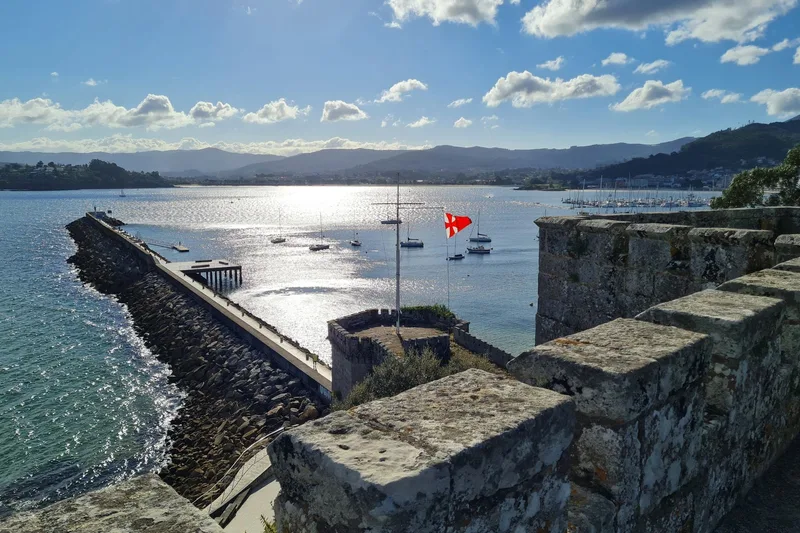
Green Spain rewards travellers with coastal Paradores, Picos de Europa peaks and Galician mist.
Here are the best northern properties and the weather patterns worth planning around.
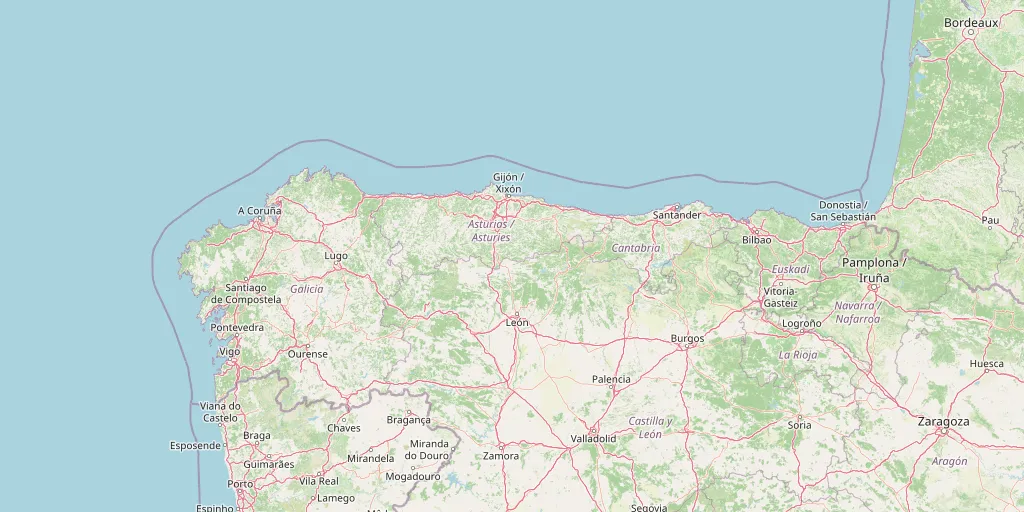
Map of Top Northern Spain Paradores
Top 10 Paradores across Galicia, Asturias, Cantabria, and the Basque Country
Parador Costa da Morte
Galicia
Contemporary seaside retreat carved into Lourido hillside with panoramic ocean-facing glass suites.
- Setting
- Coastal cliffside
- Highlight
- Infinity pool overlooking Atlantic
- Built
- 2020
Ничего не найдено — выберите другую категорию.
Картографические данные: © OpenStreetMap contributors
Contents
Northern Spain is an entirely different world from the sun-baked plains of Castile or the olive groves of Andalusia. Known as España Verde (Green Spain), this Atlantic-facing strip stretches from the Basque border across Cantabria and Asturias to the dramatic rocky rias of Galicia. Here, snow-capped limestone peaks crash into cider orchards, eucalyptus groves, and tempestuous ocean cliffs.
Staying in northern spain paradores allows you to experience this untamed landscape from within historic walls. Whether seeking remote monastic tranquility, windswept Atlantic headlands, or high-altitude alpine lodges, these state-run properties showcase the region's heritage. However, the oceanic climate brings distinct packing, seasonal, and driving considerations that every traveler must anticipate before setting out.
Navigating the Atlantic Climate in Green Spain
The lush landscapes of northern Spain exist for a reason: rainfall is frequent year-round. Locals in Galicia call the persistent light drizzle orballo, while in Asturias and Cantabria it is known as calabobos. When planning your route, keep these climate realities in mind:
- Microclimates: A sunny afternoon along the Cantabrian coast can turn into dense mountain fog 30 minutes inland as you climb into the Picos de Europa. Always keep a waterproof shell and sturdy walking shoes in your daypack.
- Seasonal Sweet Spots: Late spring (May to June) and early autumn (September to mid-October) offer the optimal balance of mild temperatures, active wildlife, and manageable crowds. July and August bring drier weather along coastal spots, but peak domestic vacation traffic fills historic centers.
- Winter Drama: Coastal properties like Parador Costa da Morte offer mesmerizing vantage points for Atlantic winter storms, while mountain passes around high-elevation Paradores can occasionally require tire chains between December and March. Check our guide to driving between Paradores and navigating mountain passes before hiring a vehicle.
The 10 Best Paradores in Northern Spain
From 15th-century royal hospitals to cantilevered coastal architectural marvels, here are the premier properties across the northern corridor.
1. Parador Costa da Morte (Muxía, Galicia)
Opened recently on the rugged Galician shoreline, parador costa da morte is an architectural triumph. Sculpted into the terraced hillside overlooking Lourido Beach, every single room features full-height glass walls framing the crashing Atlantic waves. The hotel incorporates green roofs, native granite, and an infinity pool that seems to spill directly into the ocean. It serves as an ultra-comfortable refuge after walking the Camino dos Faros or exploring Cape Finisterre.
2. Parador de Santiago de Compostela (Hostal dos Reis Católicos, Galicia)
Undisputedly the crown jewel of galicia luxury paradores, the Hostal dos Reis Católicos anchors the Praza do Obradoiro directly opposite Santiago Cathedral. Founded in 1499 by the Catholic Monarchs Ferdinand and Isabella as a royal hospice for pilgrims, it is widely considered the oldest continuously operating hotel in the world. Inside, four serene Renaissance courtyards, Gothic rib-vaulted halls, and museum-grade antiques create an unmatched historic atmosphere. Book well in advance to secure authentic quarters in the historic cloister wings.
3. Parador de Santo Estevo (Ribeira Sacra, Galicia)
Hidden deep within the silent chestnut forests of the Sil River Canyon, Santo Estevo is an imposing Benedictine monastery with roots stretching back to the 10th century. The complex features three distinct cloisters: Romanesque, Gothic, and Renaissance. The vaulted former wine cellars now house an subterranean hydrotherapy spa, making this parador the ultimate retreat for unwinding after touring the terraced vineyards of the Ribeira Sacra wine appellation.
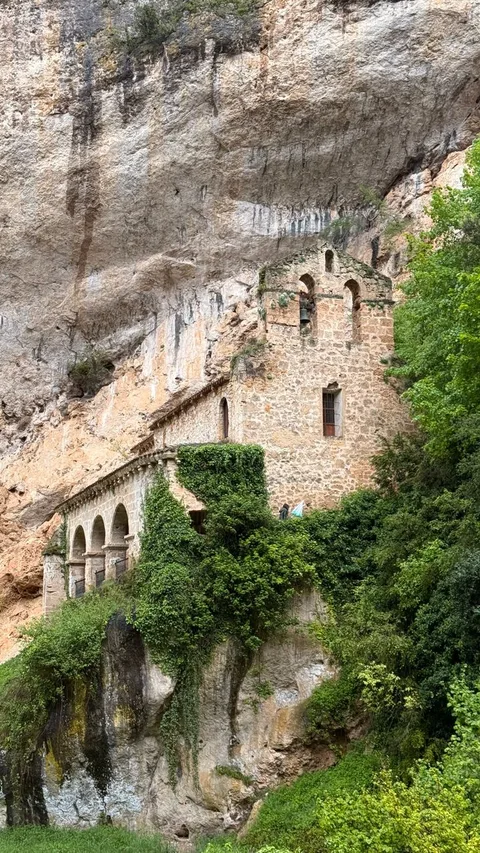

4. Parador de Baiona (Rías Baixas, Galicia)
Enclosed within the fortified walls of the Monterreal Peninsula, Parador de Baiona commands 360-degree views over the Atlantic Ocean and the protected Cíes Islands. Guests can walk the three-kilometer perimeter of defensive battlements, shaded by umbrella pines and ancient stone towers. Its grand stone staircase, maritime furnishings, and Atlantic seafood dining make it one of coastal Galicia's most evocative heritage stays.
5. Parador de Fuente Dé (Cantabria)
If you are looking for a quintessential picos de europa parador, Fuente Dé sits squarely at the foot of an awe-inspiring, 800-meter vertical amphitheater of limestone. Located at the literal end of the Liébana valley road, the property feels like an alpine mountain lodge. The famous Fuente Dé cable car departs just steps from the hotel door, lifting hikers up to the high-altitude Áliva plateau in under four minutes. In the restaurant, warm up with an authentic cocido lebaniego chickpea stew after a day on the trails.
6. Parador de Cangas de Onís (Asturias)
Occupying the former Monasterio de San Pedro de Villanueva on the green banks of the Sella River, this parador serves as the premier gateway to the western Picos de Europa and the holy shrine at Covadonga. The Romanesque apse and cloisters blend seamlessly with polished chestnut floorboards and traditional Asturian stone. It is a fantastic base for river salmon fishing, hiking, and sampling local artisan cheeses like Cabrales and Gamonéu.
7. Parador de Santillana Gil Blas (Cantabria)
Nestled on the cobblestone main square of Santillana del Mar—famed as the town of three lies (neither holy, flat, nor on the sea)—the parador de santillana Gil Blas occupies an aristocratic 17th-century manor house. With dark beamed ceilings, creaking timber floors, and ancestral crests, it offers an atmospheric base just two kilometers from the prehistoric cave art replicas at the Altamira Museum.
8. Parador de Corias (Asturias)
Often referred to as the "Escorial of Asturias," this monumental Benedictine monastery dominates the riverside village of Cangas del Narcea. Dating back to the 11th century, the property contains an active church, vast neoclassical cloisters, an underground archaeological museum showcasing medieval ruins, and a luxury spa. The surrounding slopes are home to ancient high-altitude vineyards producing distinct northern Cangas wines.
9. Parador de Hondarribia (Basque Country)
Perched high on a promontory overlooking the Txingudi bay and the French border, this fortified 10th-century castle was founded by King Sancho Abarca of Navarre and expanded by Emperor Charles V. Its three-meter-thick stone walls, interior courtyard hung with tapestries, and medieval armor contrast brilliantly with Hondarribia’s vibrant Basque culinary scene and colorful fishermen's quarter below.
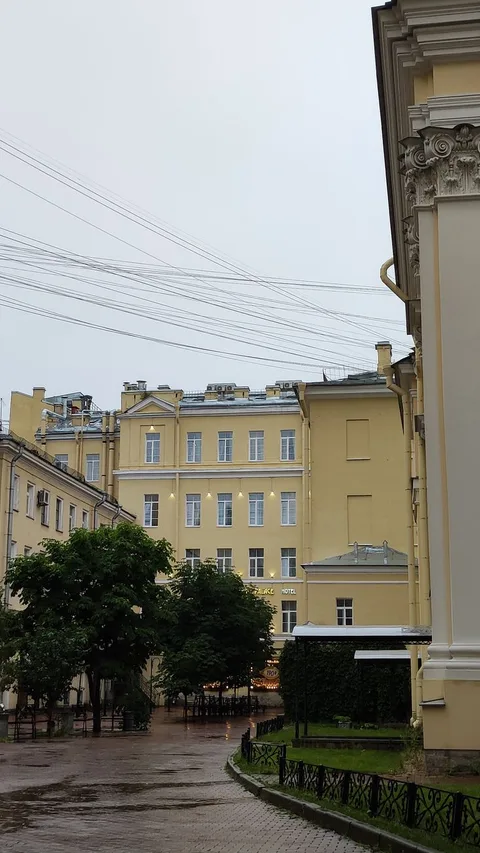
10. Parador de Limpias (Cantabria)
For a quieter, pastoral experience away from the tourist trails, the Palacio de Eguilior in Limpias delivers refined turn-of-the-century elegance. King Alfonso XIII chose this secluded estate as his summer headquarters in the early 1900s. Set inside a 55,000-square-meter botanical garden featuring century-old sequoias, ginkgos, and Lebanese cedars, it offers tennis courts, a swimming pool, and easy access to the Cantabrian corniche.
At-a-Glance: Choosing Your Northern Parador
Every northern parador possesses a distinct character, architectural pedigree, and landscape setting. Use the comparison below to identify the right match for your itinerary:
| Parador | Region | Type of Property | Surrounding Landscape | Best For |
|---|---|---|---|---|
| Costa da Morte | Galicia | Contemporary eco-resort | Windswept ocean cliffs | Coastal hiking, sea views |
| Santiago de Compostela | Galicia | 15th-century royal hospital | Historic cathedral plaza | Art, history, Camino de Santiago |
| Santo Estevo | Galicia | 10th-century monastery | Forested river canyon | Wine touring, spa relaxation |
| Baiona | Galicia | Walled seaside fortress | Atlantic bay & pine woods | Maritime history, sunsets |
| Fuente Dé | Cantabria | Mountain lodge | Vertical limestone cirque | High-alpine hiking, climbing |
| Cangas de Onís | Asturias | 8th-century monastery | Lush river valley & peaks | River walks, national park trips |
| Santillana Gil Blas | Cantabria | 17th-century manor | Cobblestone medieval village | Prehistoric art, architecture |
| Corias | Asturias | 11th-century monastery | Vineyard-covered mountains | Gastronomy, deep tranquility |
| Hondarribia | Basque Country | 10th-century fortress | Border estuary & harbor | Basque pintxos, border crossing |
| Limpias | Cantabria | 19th-century palace | Botanical woodland park | Peaceful gardens, quiet road trips |
Dining in the North: What to Order
Parador restaurants across Green Spain place heavy emphasis on local culinary traditions, offering dishes that differ dramatically from southern Spanish fare. Read our comprehensive guide to dining at Paradores and regional menus to make the most of your half-board package.
Local Tip: In Cantabria and Asturias, rustic bean stews are legendary. Expect hearty portions of Fabada Asturiana (white beans simmered with chorizo, morcilla, and cured pork belly). In Galicia, order Pulpo á Feira (tender octopus dusted with coarse sea salt and smoky pimentón) paired with crisp, mineral-forward Albariño or Ribeiro white wines.
Breakfast spreads in the north also reflect the region’s dairy dominance: look for rich artisan butter, unpasteurized farmhouse cheeses, fresh curd with honey (cuajada), and local sponge pastries like sobaos pasiegos in Cantabria.
Booking Strategies and Road-Tripping Practicalities
Northern Spain is prime territory for a multi-stop driving holiday. When organizing your route, apply these insider strategies:
- Sign up for Amigos de Paradores: Membership is free and grants immediate perks, including a welcome drink on arrival and points toward future stays. Before booking your dates, read our full breakdown of the Amigos de Paradores loyalty program and discount perks.
- Pick the Right Route: Combining Cantabria, Asturias, and Galicia into a single two-week drive is one of Europe's greatest road journeys. See our curated recommendations in the best Parador road trips across Spain.
- Room Selection: When staying in properties that feature both historic cloisters and newer wings, check room descriptions carefully. For detailed guidance on choosing between atmospheric masonry and updated comforts, consult our comparison of historic wing vs. modern annex rooms.
- Parking Logistics: Unlike city-center Paradores in southern Spain, most northern properties (with the exception of Santiago and Santillana) offer spacious surface parking on their own grounds, frequently free of charge or at low daily rates for registered guests.
Частые вопросы
What is the best month to visit Paradores in Northern Spain?
June and September offer the ideal combination of mild weather, lower rainfall compared to early spring, and fewer domestic vacation crowds than July and August.
Do I need a rental car to visit the northern Paradores?
Yes, a car is essential for almost all northern properties. While Santiago de Compostela is accessible by train and flight, rural monasteries like Santo Estevo and mountain lodges like Fuente Dé have minimal or no public transit access.
How does Parador Costa da Morte differ from historic castle Paradores?
Costa da Morte is a modern, design-forward property built into a sea cliff in 2020. Unlike medieval fortresses, it features floor-to-ceiling glass ocean views, an infinity pool, and contemporary minimalist architecture integrated into the coastal landscape.
Are northern Paradores open year-round?
Most northern Paradores stay open all year, though a few alpine or seasonal properties may shut for brief maintenance windows in January or February. Always verify seasonal dates directly when planning mid-winter trips.